
lagos-women-msme-fund-credit-access-2030
Lagos Targets 60% MSME Funds for Women by 2030
Lagos stakeholders unveil a women’s economic empowerment roadmap targeting 60% MSME fund allocation to women and 50% access to formal credit by 2030. The HEAR project has empowered over 500 women and girls, boosting financial inclusion and entrepreneurship.
Lagos Targets 60% MSME Funds for Women by 2030
By Juliet Ezeh
Lagos State is setting ambitious 2030 targets to expand women’s access to finance and entrepreneurship, with stakeholders pushing for at least 60 per cent allocation of Micro, Small and Medium Enterprises (MSME) development funds to women.
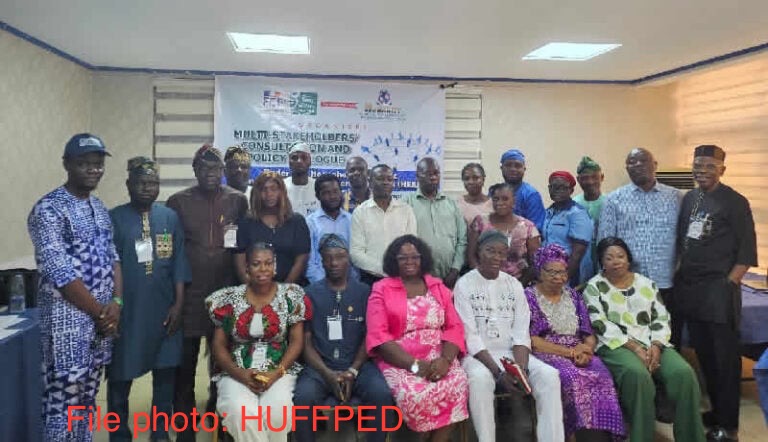
The targets were unveiled during a policy dialogue organised by the Humanity Family Foundation for Peace and Development under its Household Economic Strengthening and Resilience (HEAR) project.
60% MSME Fund Allocation for Women
Stakeholders at the consultation called for half of all women entrepreneurs to gain access to formal credit by 2030, while increasing women’s formal financial inclusion from 42 per cent to 74 per cent.
The roadmap also seeks to raise women’s participation in the traditional labour market from 26 per cent to 35 per cent within the same period.
The HEAR project, supported by the French Embassy Fund, focuses on vulnerable women and adolescent girls across Ikorodu, Kosofe, Somolu, Surulere and Lagos Island.
According to the organisation, the initiative has already empowered more than 500 beneficiaries including 300 adult women and 200 adolescent girls through vocational training, financial literacy programmes and income-generating activities.
Bridging Women’s Credit Gap in Lagos
Policy Consultant for the HEAR Project, Adebusoye Ayo, identified limited access to credit and strict collateral requirements as major barriers facing women entrepreneurs.
He stressed the need for stronger public-private partnerships to bridge funding gaps and ensure financing is not tied to heavy collateral demands.
Stakeholders also highlighted low financial literacy and poor awareness of funding opportunities as key challenges limiting women’s business expansion.
To ensure sustainability, HUFFPED officials said Village Savings and Loans Associations (VSLAs) have been strengthened to support continued access to micro-credit beyond the project cycle.
Economic Impact and 2030 Vision
Programme directors said beneficiaries have ventured into bead-making, adire production, confectionery, make-up artistry and small-scale trading, with some starting businesses with as little as ₦15,000.
Monitoring tools under the roadmap include labour market surveys, organisational audits and gender-based violence awareness assessments, with a target of ensuring 75 per cent workforce awareness of workers’ rights and GBV laws by 2030.
The policy framework aligns with Nigeria’s broader economic inclusion strategy and aims to position women as key drivers of inclusive growth in Lagos and nationwide.

Juliet Ezeh is the founder and chief reporter at Westbridge Reporters with over 7 years of experience in journalism. She covers crime, industry, policy, and social developments, delivering timely and accurate reporting.