
Federal Character Commission Seeks Urgent Funding Boost
By Ugochi Odoh
The Federal Character Commission warns that underfunding hampers fairness and equity in Nigeria’s public service. Lawmakers pledge support for realistic budgets to strengthen nationwide compliance.
Federal Character Commission Faces Funding Crisis
The Federal Character Commission (FCC) has raised alarm over its inadequate budget, warning that persistent underfunding threatens its ability to enforce fairness, equity, and balanced representation in Nigeria’s public service.
During the 2026 budget defence before the House of Representatives Committee on Federal Character, Chairman Ahmed Wase highlighted that token allocations undermine national efforts to promote cohesion and compliance across Ministries, Departments, and Agencies (MDAs).
“We cannot reasonably expect the FCC to enforce compliance while grappling with insufficient funding,” Wase said.
Lawmakers Promise Support for Sustainable Budget
Wase assured the commission of legislative support to secure realistic and sustainable financial backing. He emphasized that the era of “skeletal or token funding” must end if Nigeria is serious about fairness and national unity.
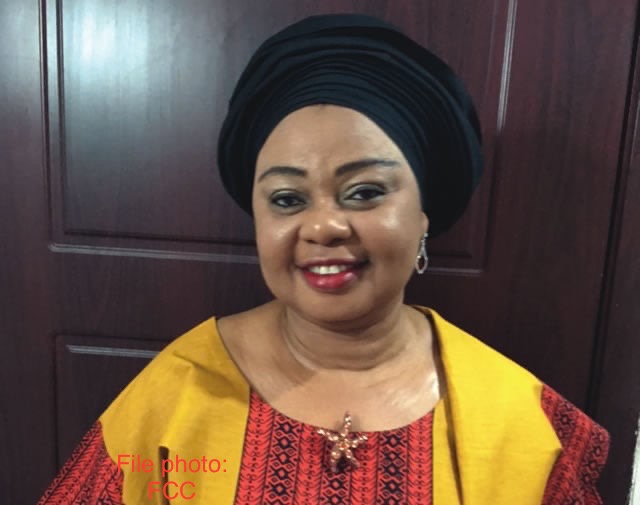
The FCC’s Executive Chairman, Hulayat Omidiran, echoed the concern, noting that budget shortfalls have constrained nationwide monitoring, audits, and enforcement. Despite these challenges, the Commission remains committed to implementing the Federal Character principle across all government parastatals.
Commission Urges Collaboration for Funding
Omidiran stressed that collaboration with relevant ministries is essential to secure the necessary resources:
“As a Commission, it is our responsibility to engage with relevant government parastatals and ministries to secure the necessary funding we require. We believe that with consultation and collaboration, it will be a successful venture for the Commission.”
She reassured lawmakers and the public that the FCC will continue to pursue equity, fairness, and balanced representation in Nigeria’s public service.

Juliet Ezeh is the founder and chief reporter at Westbridge Reporters with over 7 years of experience in journalism. She covers crime, industry, policy, and social developments, delivering timely and accurate reporting.