
By Juliet Ezeh
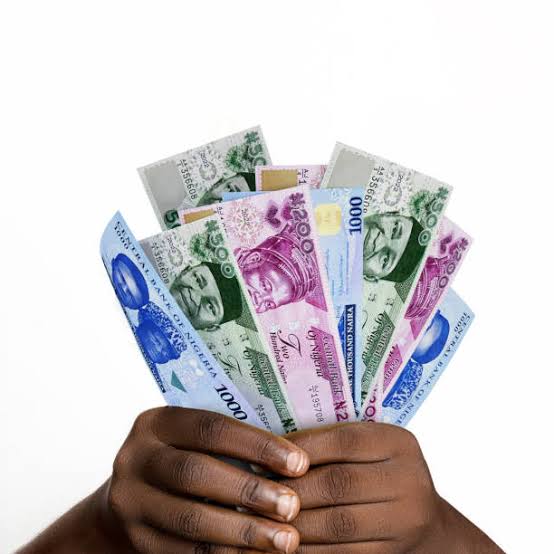
The Nigerian Naira has climbed to its strongest level in two years at the official foreign exchange window, signaling renewed stability in the country’s currency market amid rising external reserves and sustained monetary tightening by the Central Bank of Nigeria (CBN).
As of February 17, 2026, the Naira is trading between ₦1,351 and ₦1,355 per dollar at the Nigerian Foreign Exchange Market (NFEM), marking a sharp recovery from its February opening rate of ₦1,390.36. On February 16, the local currency reached a two-year high of ₦1,347.78 at the official window, its strongest performance since mid-2024.
The appreciation is being supported by a surge in Nigeria’s external reserves, which climbed to a four-year high of $48.2 billion in mid-February. Analysts say the strengthened reserve position has provided the CBN with greater capacity to manage liquidity pressures and stabilize the market.
The narrowing gap between official and parallel market rates also signals improving confidence. While the official window trades around the ₦1,351–₦1,355 range, the parallel market rate stands between ₦1,425 and ₦1,440, reflecting a gradual convergence trend that market observers describe as a positive development for price transparency.
The Naira’s rebound has been driven by sustained liquidity management measures, including the deployment of the Electronic Foreign Exchange Matching System (EFEMS), designed to enhance transparency and improve price discovery in the market. The CBN’s firm monetary stance has also played a key role. By maintaining a Monetary Policy Rate of 27.00 percent, the apex bank has signaled its commitment to curbing inflationary pressures and defending the currency.
Improved foreign exchange inflows, particularly from stronger oil earnings and renewed investor confidence, have further strengthened supply in the market, easing demand pressures that weighed heavily on the currency earlier in the year.
Financial analysts note that while the recent rally is encouraging, sustained appreciation will depend on continued policy discipline, stable oil production levels, and the preservation of investor confidence in Nigeria’s macroeconomic reforms.
The Naira’s performance in February marks one of its most notable recoveries in recent years, offering cautious optimism for businesses and consumers seeking greater exchange rate stability.