
tinubu-oil-revenue-boost-federation-account
Tinubu Oil Order to Unlock ₦9trn for Federation
President Tinubu’s new oil revenue order could unlock over ₦9 trillion for the Federation Account, including royalties, gas flaring penalties, and NNPC remittances. RMAFC says the reform will strengthen transparency and boost allocations to federal, state, and local governments.
Tinubu Oil Order to Unlock ₦9trn for Federation
By Juliet Ezeh
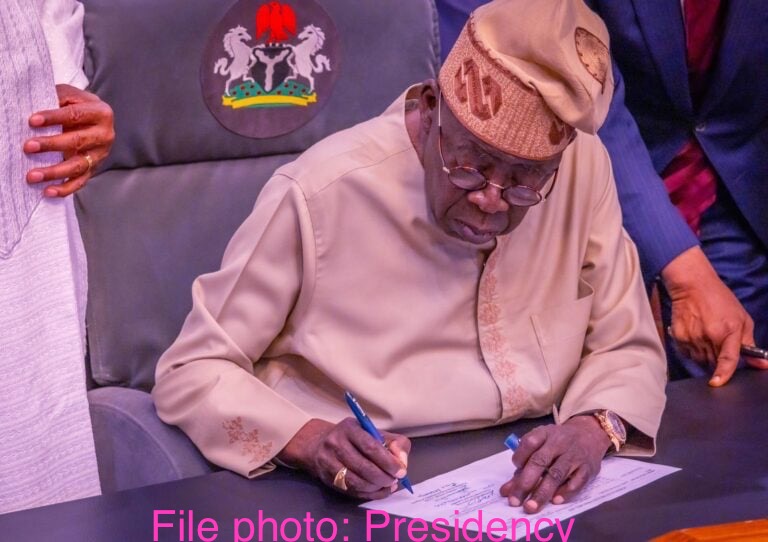
Nigeria’s Federation Account could receive more than ₦9 trillion in additional inflows following President Bola Tinubu’s directive mandating the direct remittance of oil and gas revenues.
Fresh projections referenced by the Revenue Mobilisation Allocation and Fiscal Commission indicate that billions previously retained under various deductions may now flow directly into the Federation Account.
₦9 Trillion Revenue Projection
According to figures submitted to the Federation Account Allocation Committee, projected inflows include ₦7.55 trillion in oil and gas royalties, ₦611.42 billion in gas flaring penalties, and ₦906.91 billion in management and frontier exploration fees.
The Commission said the new remittance framework eliminates layered deductions that previously reduced distributable revenue to federal, state, and local governments.
RMAFC Highlights Fiscal Impact
The Chairman of the Revenue Mobilisation Allocation and Fiscal Commission, Dr Mohammed Shehu, described the directive as a structural fiscal reform aimed at restoring transparency in oil revenue management.
He explained that the Executive Order strengthens constitutional provisions governing mineral resource ownership and revenue distribution.
The Commission noted that previous provisions under the Petroleum Industry Act had allowed multiple deductions before funds reached the Federation Account, limiting fiscal space for the three tiers of government.
What This Means for States and LGAs
With oil revenue forming a major component of government funding, analysts say the reform could significantly improve monthly allocations, especially at a time of rising security, infrastructure, and social spending demands.
The Commission also pledged to intensify monitoring to ensure full compliance with the new remittance structure.
As Nigeria pushes broader fiscal reforms, the oil revenue directive is expected to play a central role in expanding government resources and stabilising public finances.