
By Juliet Ezeh
The Federal Government is considering alternative financing strategies, including partnerships with international development institutions, as part of efforts to conduct Nigeria’s long-delayed national population census.
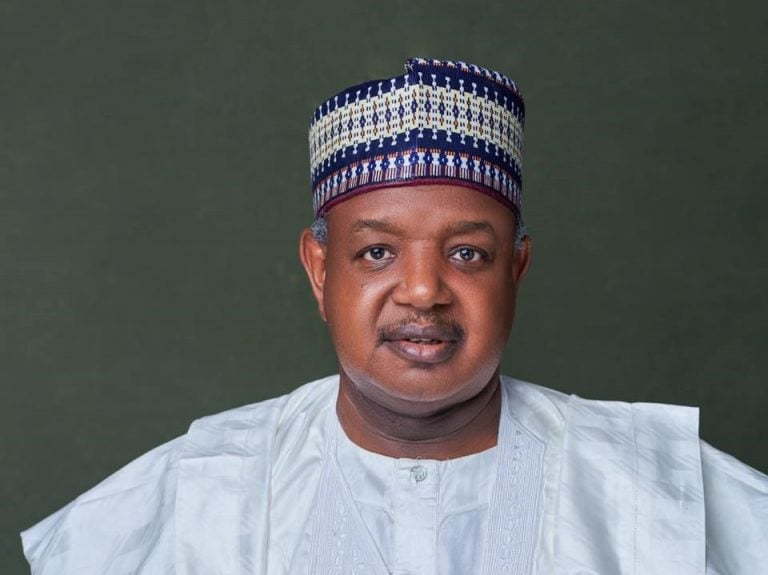
The Minister of Budget and Economic Planning, Abubakar Bagudu, said the government was exploring innovative funding approaches to ensure the successful implementation of the exercise despite the significant financial requirements involved.
Bagudu disclosed this during a familiarisation visit by the Chairman of the National Population Commission, Aminu Yusuf, who led a delegation of federal commissioners and senior officials of the commission to the ministry’s headquarters in Abuja.
According to the minister, reliable population data remains a critical foundation for effective national planning, economic development and the fair distribution of public resources.
He explained that understanding the size, distribution and characteristics of Nigeria’s population would help policymakers design more effective programmes that respond to the needs of citizens across different communities.
“If we truly want to solve Nigeria’s problems, we must be deliberate about understanding and organising our resources, especially our people,” Bagudu said.
The minister noted that Nigeria’s rapidly growing population could become a major economic advantage if properly managed through sound planning and strategic investments.
Drawing comparisons with countries such as China and India, he said large populations can serve as powerful drivers of economic expansion when supported by strong institutions and well-designed development policies.
Bagudu also highlighted the role of accurate demographic data in identifying economic opportunities at the grassroots level. According to him, population statistics and spatial data can help communities, local governments and states recognise their unique strengths and develop targeted strategies for growth.
He said some communities possess strong agricultural potential, while others have mineral resources or serve as commercial centres capable of driving economic activity.
“There is no community in Nigeria without potential,” the minister said, stressing that proper data can help government unlock these opportunities and encourage decentralised development.
Bagudu further emphasised that credible population figures are essential for transparency within Nigeria’s federal system because they provide an objective basis for policy decisions, planning and resource allocation.
In his remarks, the Chairman of the National Population Commission, Aminu Yusuf, said the visit was aimed at strengthening collaboration between the commission and the ministry in advancing Nigeria’s national planning framework.
He noted that the commission is constitutionally mandated to generate demographic data required for development planning and policy formulation.
According to him, the NPC conducts population and housing censuses, coordinates the Civil Registration and Vital Statistics system and produces demographic statistics used by government institutions.
Yusuf disclosed that the commission is currently working towards establishing a modern and integrated population data management system designed to improve the accuracy and reliability of Nigeria’s demographic information.
He said preparations are ongoing for a technology-driven population and housing census that will incorporate digital mapping and biometric systems to enhance transparency and reduce errors during the enumeration process.
The commission is also expanding the country’s civil registration system to improve the continuous recording of births and deaths across Nigeria.
Yusuf commended Bagudu for leading the presidential committee responsible for reviewing the financial and operational framework for the upcoming census exercise, describing the effort as a key step toward ensuring transparency and fiscal sustainability.
Nigeria last conducted a national population census in 2006, when the country’s population was recorded at about 140 million.
Nearly two decades later, the country is yet to carry out another nationwide headcount despite repeated preparations and policy discussions.
Plans for a new census have faced multiple setbacks over the years, including funding challenges, security concerns and disruptions caused by the COVID-19 pandemic.
The proposed 2023 exercise was eventually postponed following financial constraints and the transition to a new administration, leaving preparations incomplete.
Recent budget estimates show that the Federal Government has allocated funds to support preparatory activities for the census and to strengthen population data infrastructure.
Officials say completing the census remains a national priority because accurate demographic data will play a crucial role in guiding Nigeria’s long-term development strategies.