
By Juliet Ezeh
Global energy markets were thrown into turmoil on Monday as tensions in the Middle East escalated, pushing oil prices sharply higher following Iranian attacks on shipping routes in the strategic Strait of Hormuz.
The development has raised fears of a major disruption to global oil supply, as the narrow waterway handles nearly one-fifth of the world’s crude exports.
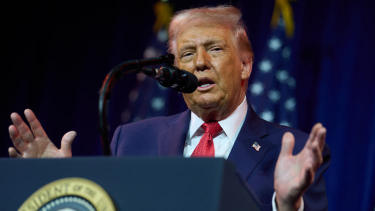
Amid the crisis, United States President Donald Trump called on American allies to urgently join efforts to secure the shipping corridor, urging countries to deploy naval forces to escort oil tankers through the region.
Speaking during an event at the White House, Trump expressed frustration at what he described as a lack of urgency among partner nations.
“We strongly encourage other nations to get involved with us quickly and with great enthusiasm,” he said, stressing that collective action was necessary to guarantee the safe movement of energy supplies.
The appeal, however, met resistance from several Western governments. Leaders in Europe distanced themselves from the proposal, saying the conflict should not be treated as a mission for the North Atlantic Treaty Organization.
British Prime Minister Keir Starmer said the United Kingdom was working with allies on a diplomatic approach to reopen the strait but ruled out a NATO-led naval deployment.
Similarly, German Chancellor Friedrich Merz said Berlin would not consider military involvement, emphasizing that the war was not a NATO matter.
Several other countries including Japan, Australia, Spain, Sweden and Poland also signaled reluctance to participate in any military operation in the region.
The crisis has already sent shockwaves through global oil markets. Analysts say prices have surged between 40 and 50 percent since Iran intensified attacks on commercial vessels and launched missile and drone strikes across the Gulf.
The escalation follows the outbreak of war involving the United States, Israel and Iran earlier this year, triggering a wave of retaliatory strikes across the region.
Meanwhile, the conflict has spread beyond maritime routes. Explosions were reported in Tehran as air defense systems were activated, while Israeli strikes targeted locations in Shiraz and Tabriz.
Iran’s Foreign Minister Abbas Araghchi warned that Tehran was prepared to continue the conflict if necessary, insisting the country would defend itself against foreign attacks.
“We are ready to continue the war wherever it may lead,” he said.
The growing confrontation has also affected neighboring countries in the Gulf region. Drone and missile attacks have struck areas near Dubai International Airport and oil facilities in Fujairah, while a missile strike in Abu Dhabi reportedly killed a civilian.
Energy giant Abu Dhabi National Oil Company temporarily halted some oil-loading operations as a precaution following the attacks.
Despite the escalating crisis, the International Energy Agency said strategic oil reserves could be released to stabilize global markets if supply disruptions worsen.
Security analysts warn that continued instability in the Strait of Hormuz could have far-reaching consequences for global trade and energy prices, potentially triggering wider economic shocks.