
Juliet Ezeh
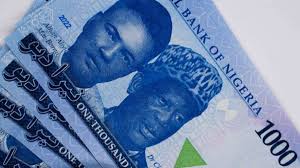
Nigeria’s currency extended its recovery at the official foreign exchange market, supported by rising external reserves and improving investor sentiment.
Data from the Central Bank of Nigeria showed the naira closed at N1,355/$ on Monday, continuing a steady appreciation trend recorded in recent trading sessions.
The development reflects growing confidence in Nigeria’s foreign exchange market, as macroeconomic indicators begin to show signs of stability.
A major driver of the naira’s performance is the country’s strengthening reserve position. Net foreign exchange reserves rose to $34.80 billion at the end of 2025, while gross external reserves increased to $50.45 billion as of February 2026.
Analysts say the improved reserve level is enhancing the apex bank’s ability to support the currency and meet foreign exchange demand, reducing volatility in the market.
The Governor of the Central Bank of Nigeria, Olayemi Cardoso, has maintained that ongoing reforms are focused on improving transparency, boosting liquidity, and restoring investor trust.
According to projections in the bank’s 2026 outlook, external reserves could rise further to $51.04 billion, largely driven by improved oil revenues and increased foreign inflows.
Market watchers note that global factors remain a key influence, with investors tracking movements in the U.S. dollar and geopolitical developments, including tensions involving Iran, which may impact global oil prices.
Despite these uncertainties, the naira has traded within a relatively stable range, suggesting reduced speculative pressure and improved market confidence.
Experts, however, stress that sustaining the currency’s recovery will depend on consistent policy implementation and favorable global economic conditions.