
Juliet Ezeh
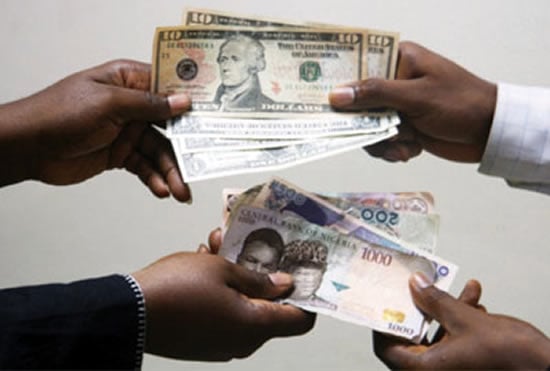
Nigeria’s currency, the naira, has weakened to N1,385 against the US dollar in the foreign exchange market, as escalating tensions in the Middle East continue to disrupt global financial stability and drive up energy prices.
The depreciation marks a reversal from recent stability around N1,360/$, reflecting renewed pressure on emerging market currencies amid rising geopolitical risks.
Middle East Conflict Triggers Global Market Shock
The latest decline in the naira comes as crude oil prices surge sharply, with Brent crude climbing above $103 per barrel due to fears of supply disruptions in the Middle East.
Attacks on key energy infrastructure and growing concerns over shipping routes through the Strait of Hormuz have heightened uncertainty in global oil markets, pushing investors toward safer assets and weakening vulnerable currencies like the naira.
Fuel Price Surge Raises Inflation Concerns
Despite Nigeria recording a slight drop in inflation to 15.06 percent in February, the recent spike in global oil prices has triggered a sharp increase in domestic fuel costs.
Petrol prices have risen by over 30 percent in recent weeks, raising fears of a fresh wave of inflation driven by higher transportation and production costs.
Analysts warn that this could reverse recent gains in price stability and place additional strain on households and businesses.
Pressure Mounts on Central Bank Policy
Financial experts say the current volatility may force the Central Bank of Nigeria (CBN) to reconsider its monetary policy stance for 2026.
Expectations of interest rate cuts are now under threat, as policymakers may be compelled to adopt tighter measures to contain inflation and stabilise the currency.
Global monetary authorities are also reacting to the crisis. Central banks across major economies are maintaining cautious positions, with investors scaling back expectations of rate cuts this year.
Global Efforts Fail to Calm Oil Markets
Efforts to stabilise oil prices, including a major release of reserves by the International Energy Agency and policy adjustments by global powers, have so far failed to ease market tensions.
Oil prices remain elevated, with continued volatility expected as geopolitical risks persist.
Outlook Remains Uncertain
With global markets on edge and energy prices fluctuating, Nigeria faces a delicate balancing act between supporting economic growth and controlling inflation.
Analysts say the coming weeks will be critical, as policymakers respond to external shocks that continue to shape the country’s economic outlook.