
Juliet Ezeh
The International Trade Union Confederation Africa has called for a fundamental shift in Africa’s economic strategy, urging governments to redesign trade and development policies to prioritise job creation and protect workers.
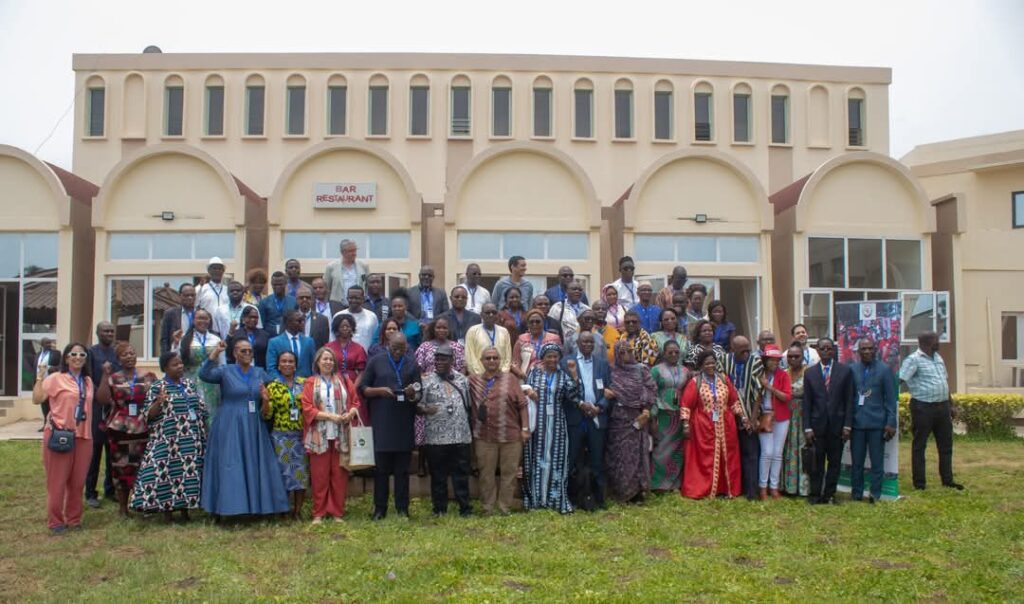
Speaking at the opening of the ITUC-Africa 2026 New Year School in Lome, the organisation’s General Secretary, Akhator Joel Odigie, said current global economic pressures are exposing the vulnerability of African economies that rely heavily on external systems.
He warned that continued dependence on foreign-driven models and raw material exports is limiting Africa’s ability to create sustainable jobs and shield its workforce from global shocks.
According to him, economic instability, rising insecurity, and unemployment across the continent are closely tied to structural weaknesses in trade and production systems.
Odigie stressed that Africa must urgently adopt self-driven policies that strengthen local industries, expand decent work opportunities, and reduce exposure to global disruptions.
He also highlighted the growing impact of climate change on African economies, noting that despite contributing minimally to global emissions, the continent faces severe consequences, including displacement and loss of livelihoods.
The ITUC-Africa chief argued that economic integration efforts must go beyond increasing trade volumes and instead focus on delivering tangible benefits to workers.
“We must build systems that create jobs and improve livelihoods, not just expand markets,” he said.
Also speaking, ITUC-Africa President, Martha Tinny Molema, raised concerns over Africa’s current trade structure, which she said continues to favour large corporations while leaving workers vulnerable.
She questioned the long-standing reliance on raw material exports, warning that such an approach has failed to deliver meaningful development for the majority of citizens.
Molema cautioned that trade liberalisation without strong labour protections could worsen inequality and lead to job losses, particularly in fragile economies.
She emphasised that the African Continental Free Trade Area must be implemented with clear safeguards to ensure it supports industrial growth, decent wages, and inclusive development.
According to her, the true success of Africa’s trade agenda should be measured not by export volumes but by the quality of jobs created and improvements in living standards.
The labour leaders agreed that Africa’s path to economic resilience lies in building strong domestic industries, enforcing labour protections, and adopting policies that prioritise people over profit.
Their position comes amid growing calls for African governments to rethink development strategies as global economic uncertainties continue to challenge traditional growth models.