
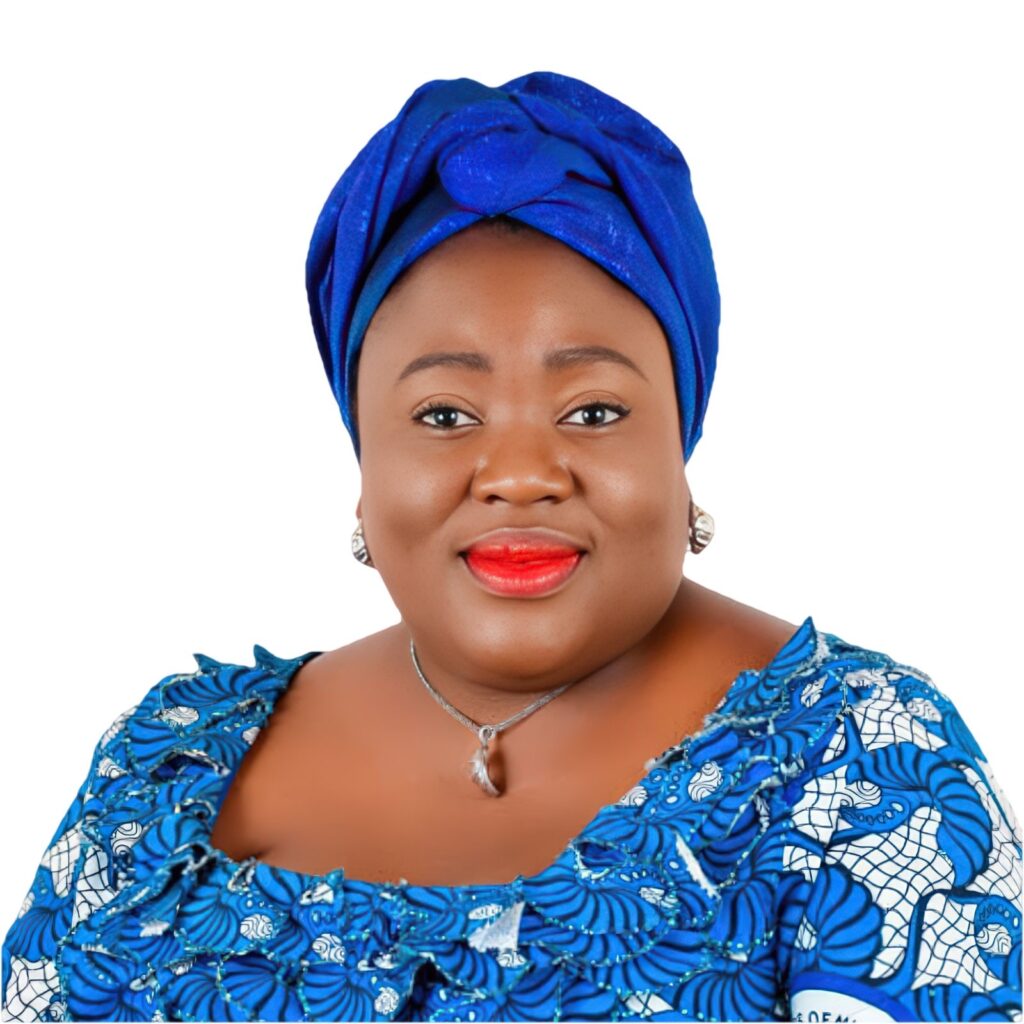
Juliet Ezeh
Stakeholders have warned that Nigeria risks deeper gender imbalance in its political system if urgent steps are not taken to pass the proposed Reserved Seats for Women Bill ahead of the 2027 general elections.
The concern was raised in Abuja during a citizens’ summit organised by the National Association of Seadogs to mark the 2026 International Women’s Day.
Participants at the event stressed that delays in passing the bill could prevent its implementation in the next election cycle, potentially worsening the already low representation of women in elective offices across the country.
The proposed legislation seeks to amend the constitution to provide reserved seats for women in both the National Assembly and state Houses of Assembly, a move widely seen as a corrective measure to longstanding gender disparities.
Fears of Declining Representation
Speaking at the summit, President of the Nigeria League of Women Voters, Irene Awuna-Ikyegh, expressed concern over what she described as a steady decline in women’s political participation.
She noted that current figures reflect a troubling reality, with only a few women occupying seats in the National Assembly, while several state legislatures have no female representation at all.
According to her, the situation signals a setback for Nigeria’s democratic progress and requires immediate legislative intervention.
Barriers Limiting Women’s Participation
Stakeholders identified multiple factors contributing to the imbalance, including political violence, online harassment, and deep-rooted cultural perceptions that discourage women from seeking leadership positions.
They argued that these systemic barriers continue to restrict women’s access to political opportunities despite their historical contributions to national development.
Prominent figures such as Hajiya Gambo Sawaba and Fumilayo Ransome-Kuti were cited as examples of women who played key roles in shaping Nigeria’s political history.
Call for Legislative and Public Action
Also speaking, Executive Director of the Centre for Transparency Advocacy, Faith Nwadishi, urged citizens to actively engage lawmakers and demand the passage of the bill.
She emphasised that inclusive governance requires sustained public pressure and accountability from elected representatives.
Nwadishi further highlighted disparities at the grassroots level, noting that in the Federal Capital Territory, only one woman emerged among dozens of councillors in recent local government elections.
A Critical Moment for Reform
Participants agreed that Nigeria stands at a crucial point where decisive action could determine the future of gender inclusion in governance.
They maintained that the passage of the Reserved Seats for Women Bill would not only improve representation but also strengthen democratic institutions by ensuring broader participation.