
Juliet Ezeh
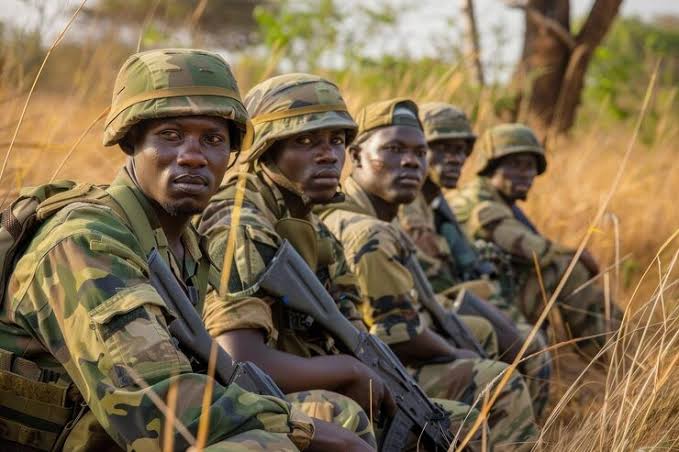
Even as Nigeria poured a staggering N2.3 trillion into military and paramilitary operations within two years, many communities say they are still left alone in the face of violence.
From the quiet streets of Angwan Rukuba in Jos to a wedding gathering in Kagarko, Kaduna State, the sound of gunfire has become a grim reminder that heavy security spending has yet to translate into safety for ordinary citizens.
Official records from the Federation Account Allocation Committee reveal that the funds released in 23 tranches of N100 billion between October 2023 and September 2025 were disbursed with precision. Each inflow was matched by immediate spending, leaving no balance behind.
On paper, it is a system that suggests efficiency. In reality, it raises a more troubling question: why does insecurity remain the country’s most pressing crisis?
According to the Central Bank of Nigeria, insecurity now ranks as the number one constraint to doing business in the country, ahead of taxes, electricity, and interest rates. For many Nigerians, however, the concern is far more personal than economic it is about survival.
In Plateau State, what should have been an ordinary Sunday night turned into chaos when gunmen stormed Angwan Rukuba, opening fire on residents. Eyewitness accounts described panic, confusion, and lives cut short within minutes.
Governor Caleb Mutfwang, who visited the scene, called it a painful moment for the state, promising support for victims’ families. But for residents, grief was mixed with anger—anger that such could happen in a densely populated area despite the scale of national security spending.
In Kaduna, the tragedy unfolded differently but with the same devastating outcome. A wedding gathering in Kagarko turned into a scene of horror as armed men attacked guests, killing and abducting several people. Survivors spoke of fear spreading through communities, forcing people to rethink even the most basic social activities.
Religious leaders and civil society groups say the implications go beyond the immediate loss of lives. Christian Association of Nigeria described the violence as a reflection of a nation “bleeding,” warning that repeated attacks are eroding public trust and deepening a sense of helplessness.
Behind the scenes, the funding structure itself tells another story. The intervention programme operated like a pipeline money in, money out without publicly available details on how funds were allocated across operations, projects, or agencies.
In addition to the N2.3 trillion intervention fund, another N450 billion was released within just three months in 2025 for military allowances, while N40 billion was separately disbursed for security operations through the Office of the National Security Adviser.
Yet, despite this scale of investment, rural and urban communities alike continue to report the same pattern: attacks carried out with confidence, limited deterrence, and delayed response.
For business owners, the cost is economic uncertainty. For families, it is something far more devastating—the constant fear of losing loved ones.
Across affected communities, a painful contradiction now defines daily life: a country spending heavily on security, yet struggling to guarantee safety.
Until that gap is closed, the numbers—no matter how large—may continue to mean little to those who live under the shadow of violence.