
Juliet Ezeh
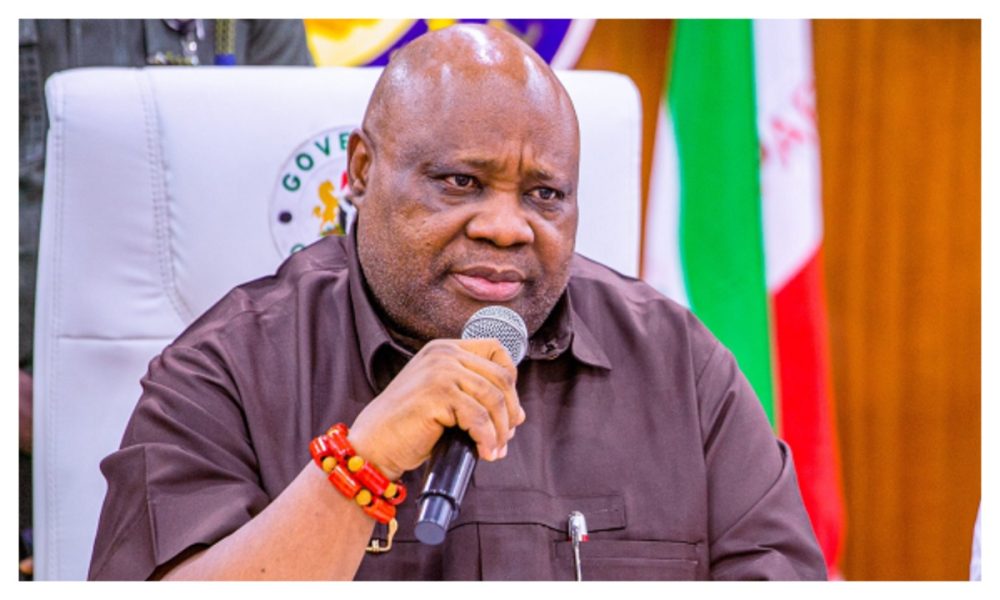
Osun State Governor, Ademola Adeleke, has taken a decisive step against worsening electricity outages, summoning the management of the Ibadan Electricity Distribution Company (IBEDC) as anger grows over prolonged blackouts crippling economic and social activities across the state.
The move signals a more assertive stance by the Osun government, not only to demand immediate relief for residents but also to accelerate structural reforms aimed at ending reliance on a single power distributor.
In a statement issued by his spokesperson, Olawale Rasheed, the governor described the situation as “unacceptable,” citing field reports that show businesses shutting down and households struggling under erratic power supply in Osogbo and other major towns.
“I have received widespread complaints from all our major towns. Businesses are grinding to a halt. We cannot continue like this,” Adeleke said.
The governor confirmed that IBEDC has been invited for an urgent high-level engagement to address the crisis and develop both short-term interventions and sustainable solutions.
While acknowledging that electricity challenges are a nationwide issue driven by infrastructure and funding constraints, Adeleke stressed that the current situation in Osun requires immediate action to prevent further economic losses.
Beyond immediate measures, the governor revealed that the state is advancing plans to transform its energy sector through regulatory and policy reforms. Central to this is the newly enacted Osun Electricity Law, which will pave the way for the establishment of the Osun Electricity Regulatory Commission.
According to Adeleke, the commission will license independent power producers, regulate electricity supply within the state, and create a more competitive energy market capable of attracting private investment.
The initiative is expected to reduce dependence on national grid supply and open opportunities for alternative energy solutions, including renewable power sources, thereby improving reliability and protecting consumers from persistent outages.
To ensure inclusiveness and accountability, the governor has also directed the Commissioner for Energy to convene a stakeholder meeting involving IBEDC, consumer groups, and other key players in the sector.
Observers say the development reflects a growing trend among Nigerian states seeking greater control over electricity generation and distribution following recent constitutional and policy shifts in the power sector.
Meanwhile, Adeleke also addressed the humanitarian impact of recent rainstorms in parts of the state, assuring affected residents of prompt government intervention. He disclosed that the state emergency agency has begun compiling data on victims to facilitate relief distribution.
The governor added that the state is collaborating with the National Emergency Management Agency and the National Economic Council to secure additional support for those affected.
He also commended Osun West Senator, Lere Oyewumi, for bringing attention to the state’s challenges at the national level.
With mounting pressure on IBEDC and parallel efforts to decentralise power supply, Osun appears to be positioning itself for a significant shift in how electricity is generated, regulated, and delivered—one that could redefine energy access in the state if successfully implemented.