
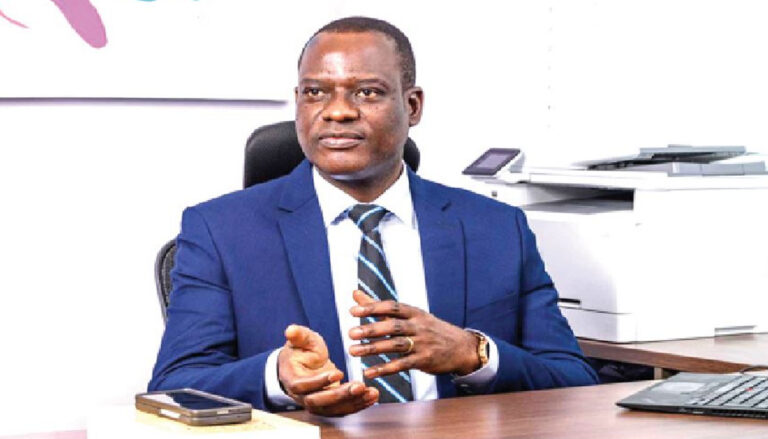
Juliet Ezeh
The Presidential Fiscal Policy and Tax Reforms Committee has firmly denied claims that Nigeria’s Minister of State for Finance, Taiwo Oyedele, admitted flaws in the country’s newly implemented tax laws, describing such reports as misleading and inaccurate.
In an official statement shared via the minister’s X account, the committee clarified that recent media narratives misrepresented Oyedele’s remarks at a conference organised by the Nigerian Bar Association Section on Legal Practice in Lagos.
According to the committee, the minister did not admit to any errors but instead reiterated a standard legislative principle that no law is perfect and may require periodic review. It stressed that the suggestion that Oyedele called for a legislative probe is false, noting that the legislative process had already been concluded, with certified versions of the tax laws published since January 2026.
The clarification comes amid growing public scrutiny of Nigeria’s tax reforms, which were introduced to simplify the system, expand the tax base, and reduce the burden on low-income earners and small businesses.
Defending the reforms, the committee highlighted early indicators of success, including a sharp increase in business registrations with the Corporate Affairs Commission and a significant rise in the number of registered taxpayers nationwide—from about 10 million to over 100 million.
It attributed these gains to key provisions within the new laws, such as exemptions for small companies and low-income earners, as well as tax relief on essential sectors like food, healthcare, education, transportation, and rent. The introduction of a Tax Ombud to safeguard taxpayer rights was also cited as a major innovation.
While acknowledging that continuous improvements are part of any reform process, the committee emphasized that such refinements would be handled through established legislative mechanisms, including future Finance Bills, rather than any ongoing investigation.
The tax reforms have not been without controversy. Some lawmakers, including Abdussamad Dasuki, previously raised concerns about discrepancies between versions of the bills passed by the National Assembly and those later gazetted. Professional services firm KPMG also flagged potential gaps and inconsistencies in the legislation.
Despite these concerns, Oyedele has consistently dismissed claims of irregularities, maintaining that the implementation of the reforms is on track and that any necessary adjustments will be made transparently.
The committee warned that sensational reporting could distort public understanding and undermine confidence in the reforms. It urged Nigerians to rely on verified information from official sources and credible media platforms when assessing government policies.
As Nigeria continues to implement its sweeping tax overhaul, the government insists that the reforms are already yielding positive results, even as stakeholder engagement remains ongoing to strengthen the system over time.

Juliet Ezeh is the founder and chief reporter at Westbridge Reporters with over 7 years of experience in journalism. She covers crime, industry, policy, and social developments, delivering timely and accurate reporting.