
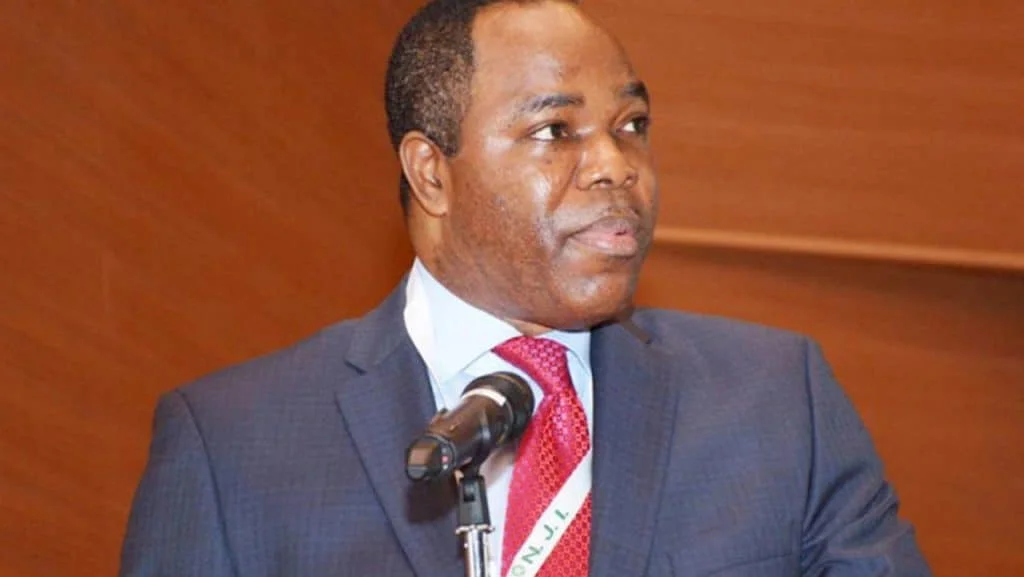
Juliet Ezeh
The Economic and Financial Crimes Commission (EFCC) has arrested prominent businessman and former chairman of the defunct Skye Bank Plc, Tunde Ayeni, over allegations bordering on large-scale financial misconduct involving billions of naira and millions of dollars.
Ayeni was reportedly picked up in Abuja and has since been held in EFCC custody as investigators intensify efforts to unravel what officials describe as a complex web of loan diversions, questionable transactions, and alleged abuse of banking structures tied to funds originating from Polaris Bank Plc.
According to preliminary details from investigators, the case centers on alleged misappropriation of funds estimated at ₦36.5 billion and $30 million. The money, which was reportedly accessed through several corporate entities allegedly linked to Ayeni, is said to have been obtained as credit facilities from Polaris Bank following the transition and restructuring of Skye Bank years ago.
EFCC sources familiar with the investigation disclosed that the funds were allegedly routed through multiple companies, raising concerns about their ultimate utilization and repayment. Authorities are examining whether the loans were properly secured, whether they followed due process, and whether they were diverted for purposes outside the original loan agreements.
While the commission has not formally announced charges, insiders say the arrest followed months of financial tracing, documentation review, and interrogation of associated individuals and firms believed to have participated in the transactions.
The investigation also appears to be part of a broader post-restructuring audit trail involving legacy banking transactions linked to the collapse and rebirth of Skye Bank into Polaris Bank under regulatory intervention. Officials are reportedly reviewing whether certain credit exposures inherited during the transition were properly managed or potentially exploited.
Ayeni, who once played a key role in Nigeria’s banking sector during his tenure at Skye Bank, has remained a controversial figure in financial circles due to past corporate governance disputes and public interest concerns around bank restructuring decisions.
The EFCC has in recent months intensified scrutiny of high-value financial transactions involving past and present executives of financial institutions, particularly where public funds or depositors’ money may have been exposed to risk through unsecured lending or questionable approvals.
Sources within the agency say investigators are currently compiling forensic financial evidence, including bank statements, loan agreements, asset declarations, and corporate filings connected to the companies allegedly used in the transactions.
Meanwhile, legal observers note that the case could test the boundaries of liability in post-merger banking environments, especially where obligations and credit facilities are transferred between institutions following regulatory takeovers.
As of press time, neither Ayeni nor his legal representatives had issued an official public statement regarding the allegations or his ongoing detention.
The EFCC is expected to either file formal charges or seek further remand orders as investigations progress in the coming days.
The case has already sparked renewed public debate over accountability in Nigeria’s banking sector, especially regarding how legacy loans are tracked, recovered, and prosecuted years after institutional restructuring.
Authorities maintain that the investigation remains active and that all individuals found culpable will be brought to account in accordance with the law.