
Chinedu Obieze
Nigeria has taken a firm diplomatic stance following disturbing reports of violence against its citizens in South Africa, calling for justice, accountability, and stronger protection measures to safeguard Nigerians living abroad.
At the heart of the tension are the reported deaths of two Nigerians, Nnaemeka Matthew Andrew Ekpeyong and Kelvin Chidiebere Amaramiro, both of whom allegedly died after encounters with South African security personnel. Their deaths have sparked outrage and heightened fears within the Nigerian community, prompting swift intervention from the Federal Government.
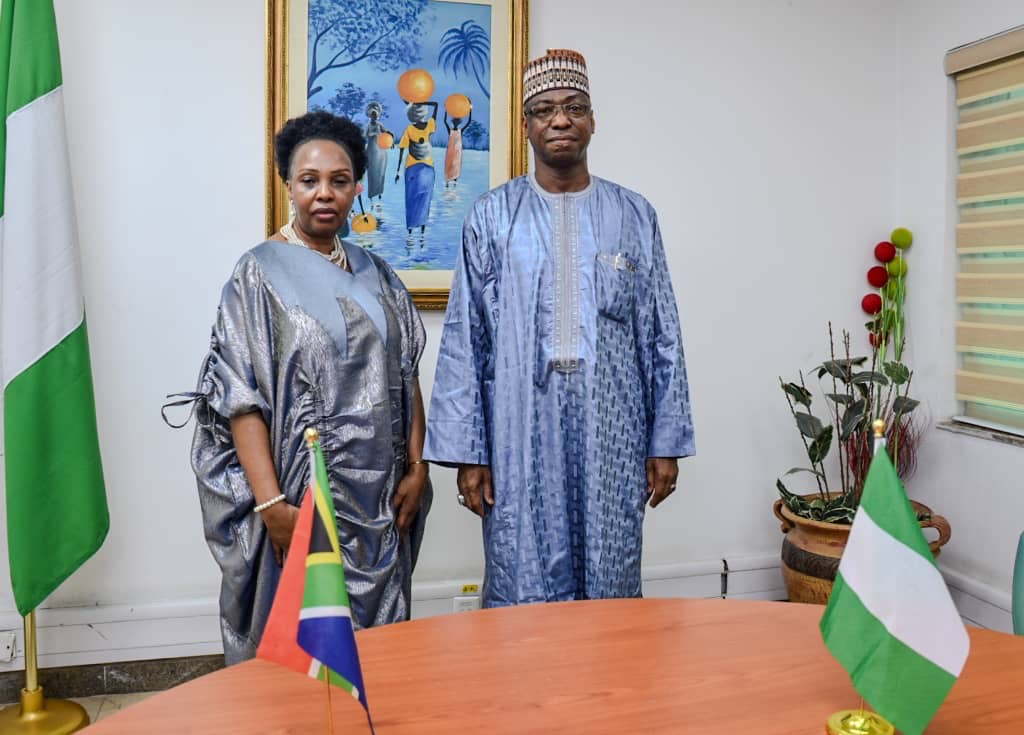
During a high-level meeting held in Abuja, the Permanent Secretary of the Ministry of Foreign Affairs, Ambassador Dunoma Umar Ahmed, engaged the Acting High Commissioner of South Africa to Nigeria, Lesoli Machele, to address the growing concerns. The meeting reflects Nigeria’s urgency in seeking clarity and justice over the incidents, while also working to preserve diplomatic relations between both nations.
The Nigerian government did not mince words in condemning the violence. It described the incidents as deeply troubling and called for thorough, transparent, and impartial investigations into the deaths. Authorities are demanding full disclosure, including autopsy reports, post-mortem documentation, and access to legal processes for the families of the deceased.
This development comes amid ongoing protests in parts of South Africa, where some groups have reportedly called for foreigners to leave the country. Videos circulating online have shown violent scenes, further fueling anxiety among Nigerians both at home and abroad.
Nigeria emphasized that such actions threaten the long-standing relationship between the two African nations. It stressed the need for South African authorities to move beyond public assurances and demonstrate real commitment through concrete actions on the ground.
Beyond the two deaths, the Nigerian government raised alarm over broader threats against foreign nationals, including Nigerians. It specifically pointed to the activities of certain groups accused of inciting hostility and intimidation, urging South Africa to take proactive steps to prevent further escalation.
In a strong but diplomatic tone, Nigeria called for accountability where wrongdoing is established. It insisted that any security personnel found culpable must face disciplinary and legal consequences. The government also highlighted the importance of due process, warning against unlawful arrests, profiling, or abuse of foreign nationals.
Despite the tensions, Nigeria maintained a constructive approach by welcoming ongoing cooperation between both countries. It pointed to the recently signed Memorandum of Understanding on an Early Warning Mechanism as a vital tool that should be activated quickly to prevent future crises and improve communication.
The government also reassured the international community of its commitment to protecting diplomatic missions and personnel within Nigeria, in line with global standards.
Meanwhile, Nigerians at home have begun to express frustration over the situation. A small protest was recently held at the South African High Commission in Abuja. However, the government has urged citizens to remain calm and avoid taking matters into their own hands, emphasizing that diplomatic channels are actively being used to resolve the issues.
In a further move to de-escalate tensions, Nigeria’s Minister of Foreign Affairs held a direct conversation with her South African counterpart, signaling ongoing efforts at the highest level to restore confidence and strengthen bilateral ties.
On its part, the South African government, through its Acting High Commissioner, assured Nigeria that the concerns raised would be communicated to Pretoria. It also distanced itself from the protests, stating that they are not supported by the government and reaffirming its commitment to peaceful relations.
As both nations navigate this sensitive moment, the focus remains on justice for the victims, protection for Nigerians living in South Africa, and the preservation of a historically significant partnership. For many Nigerians, the expectation is clear: words must now be matched with decisive action.