
Feso Jaso
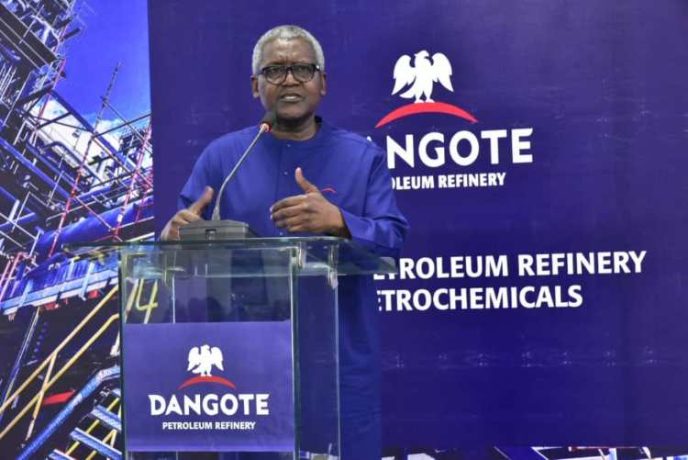
Aliko Dangote, Africa’s richest industrialist and the driving force behind the massive Dangote Petroleum Refinery in Nigeria, is reportedly shifting his East African expansion plans in favour of Kenya over Tanzania for a proposed $17 billion regional refinery project. The development marks a significant potential turning point in East Africa’s long-running efforts to establish a large-scale, shared petroleum refining hub aimed at reducing dependence on imported fuel and strengthening regional energy security.
According to recent reports, Kenya has emerged as the preferred location for the ambitious project, with the coastal city of Mombasa gaining strategic importance due to its advanced port infrastructure, deeper shipping capacity, and stronger access to regional fuel distribution networks. These advantages are believed to give Kenya a competitive edge over Tanzania, particularly the port of Tanga, which was previously considered a strong contender for the refinery site.
The proposed refinery is expected to cost between $15 billion and $17 billion, making it one of the largest industrial investments ever considered in the East African region. If completed, it would have the capacity to process up to 650,000 barrels of crude oil per day, significantly boosting local refining capacity and reducing the region’s reliance on imported refined petroleum products from outside Africa, particularly from the Middle East and Asia.
The project is not designed as a single-country venture but rather as a regional energy initiative involving multiple East African nations. Kenya, Uganda, Tanzania, South Sudan, and the Democratic Republic of Congo have all been linked to ongoing discussions around a shared refinery framework. The idea is to pool crude oil resources from oil-producing and emerging oil-producing countries within the region and refine them locally for domestic consumption and export.
Kenya’s growing appeal as the likely host is also tied to its relatively larger domestic fuel market, which would provide immediate demand for refined petroleum products. This makes the project more commercially viable in the short term, as compared to smaller or less industrialized markets. In addition, Mombasa’s status as one of the busiest ports in East Africa provides a logistical advantage for both crude imports and refined product exports.
However, Tanzania is still considered an important player in the negotiations. The country has previously positioned itself as a key energy transit hub, particularly through infrastructure projects linking its coastline to inland oil-producing regions such as Uganda. The port of Tanga had been earlier proposed as a potential refinery site due to its proximity to key pipeline routes and regional integration plans. Despite this, Kenya’s stronger infrastructure ecosystem appears to be tipping the balance in its favour.
Aliko Dangote has reportedly made it clear that his group will only proceed with the project if there is strong political alignment and financial commitment from participating governments. This includes guarantees around regulatory stability, infrastructure support, and long-term investment protection. Without these assurances, the project may face delays or a potential reassessment of its feasibility.
East African leaders have previously expressed support for a regional refinery model as part of broader efforts to strengthen energy independence and reduce vulnerability to global oil price fluctuations. A successful implementation of the project could help stabilize fuel prices, improve industrial productivity, and create thousands of direct and indirect jobs across participating countries.
If approved and successfully executed, the refinery would represent a major milestone in Africa’s energy development journey, positioning East Africa as a refining and distribution hub rather than a net importer of refined petroleum products. It would also expand Dangote’s industrial footprint beyond West Africa, reinforcing his role as a key private-sector driver of large-scale infrastructure development on the continent.
While Kenya currently appears to have the upper hand in securing the project, final decisions are still subject to ongoing negotiations between Dangote Group and East African governments. The outcome will likely depend on infrastructure readiness, political consensus, and financing arrangements across the region.