
Juliet Ezeh
Nigeria has called for urgent reforms of global governance institutions, including the United Nations Security Council, as it pushed for greater representation of developing countries during a major international meeting in India.
The position was presented at the 18th BRICS Foreign Ministers Meeting held on May 15, 2026, in New Delhi, where Nigeria participated as a partner country.
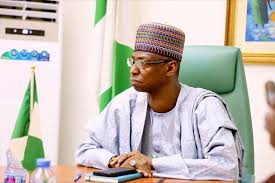
Speaking at the meeting, the Permanent Secretary of the Ministry of Foreign Affairs said Nigeria joined other nations in addressing growing global challenges and the need to strengthen multilateral cooperation.
He stated that the international community is currently facing complex and interconnected issues, including geopolitical tensions, economic uncertainties, climate change, terrorism, food insecurity, and disruptions to global supply chains.
Nigeria noted that the BRICS platform has become an important voice for developing countries and continues to promote a more inclusive and balanced global order based on mutual respect and shared prosperity.
The country expressed strong support for ongoing efforts to reform global governance institutions and improve the representation of developing nations in international decision-making processes.
It emphasized that existing global systems must be updated to reflect current realities and ensure fairness for all countries.
Nigeria said the world is at a critical stage, with global governance structures facing significant challenges that require immediate action.
It highlighted concerns over increasing geopolitical divisions, noting that rivalries among countries are weakening cooperation and undermining collective action.
According to the statement, conflicts and insecurity in different regions are placing pressure on international institutions and affecting global stability.
Nigeria also raised concerns about growing economic competition and widening inequality, stating that these trends are affecting global trade and weakening trust in international systems.
The country warned that technological gaps between nations could further deepen inequalities if not properly addressed.
Nigeria stressed that reforms are necessary to ensure that global institutions serve the interests of all nations rather than a select few.
It specifically called for Africa to be given permanent representation on the United Nations Security Council, noting that the continent’s population and contributions to global affairs justify such inclusion.
The country stated that it is ready to take on the responsibility of representing Africa at the global level.
Nigeria also highlighted ongoing domestic reforms, stating that current policies are focused on strengthening democracy, diversifying the economy, improving security, and empowering citizens.
It said these efforts are part of a broader commitment to contributing to a fair and inclusive global system.
The statement added that Nigeria’s activities in international organisations reflect its commitment to peacekeeping, democracy, and sustainable development.
The country reiterated its support for a multipolar world order and called for reforms in international financial institutions to ensure that emerging economies have a stronger voice.
It also emphasized the need for fair and accessible development financing that meets the needs of developing countries.
Nigeria further expressed support for balanced trade policies, opposition to protectionism, and stronger regional integration.
It highlighted its role in promoting trade within Africa through continental agreements aimed at boosting economic cooperation.
The country called for stronger collaboration among nations to address global challenges and build a more inclusive and resilient international system.
It urged members of the international community to work together to ensure that global governance structures promote peace, fairness, and progress.
Nigeria concluded by reaffirming its commitment to contributing to global reforms and ensuring that Africa’s interests are properly represented in international decision-making.
The statement emphasized that decisions made at this stage will shape the future of global governance and determine how effectively international systems respond to emerging challenges.