
By Juliet Ezeh
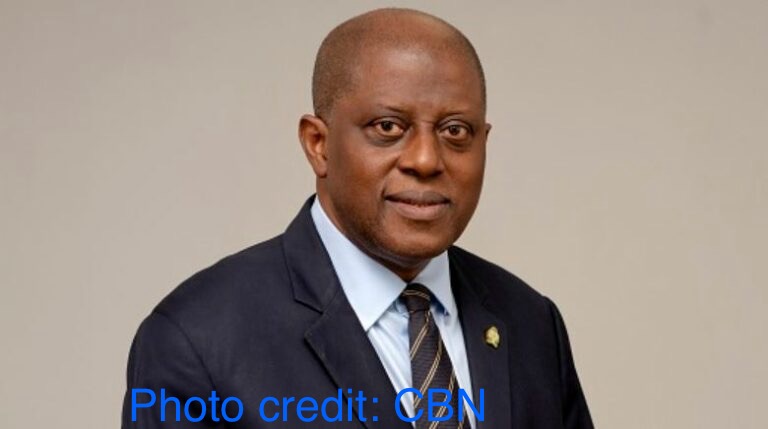
The Governor of the Central Bank of Nigeria (CBN), Olayemi Cardoso, has called on African banks and development finance institutions to take the lead in driving industrialisation while building climate-resilient and financially stable economies across the continent.
Speaking at the Egypt 30by30 Programme, hosted by the Central Bank of Egypt in collaboration with the International Finance Corporation (IFC), Cardoso stressed the need for Africa to pursue economic growth and environmental sustainability simultaneously.
“The continent must industrialise, create jobs, expand opportunities, and lift millions out of poverty, while also decarbonising and strengthening resilience against climate-related shocks,” he said.
Describing the initiative as a shared continental ambition, Cardoso highlighted that resilience starts with credibility. “Disciplined and transparent reforms in Nigeria are strengthening macroeconomic fundamentals and boosting confidence in the financial system. Resilient economies depend on trustworthy institutions, credible policies, transparent markets, and risk-aware innovation,” he added.
On the financial impact of climate change, he noted: “Climate risk is financial risk. It affects sovereign ratings, capital costs, inflation, food security, insurance markets, and fiscal sustainability.”
The CBN governor reaffirmed Nigeria’s commitment to green finance frameworks, cross-border cooperation, and the development of a risk-aware financial architecture. He said these steps are critical not only for absorbing global economic shocks but also for positioning African economies for long-term competitiveness.
Highlighting Africa’s opportunities, Cardoso said: “While Africa contributes the least to climate change, it suffers disproportionately from its effects. Yet the continent holds immense potential in renewable energy, biodiversity, a young workforce, and evolving financial markets. By innovating for resilience collectively, Africa can build sustainable, inclusive, and robust financial systems that thrive in the decades ahead.”
The Egypt 30by30 Programme, according to the IFC, is a World Bank Group initiative designed to strengthen frameworks, build market capacity, and support increased financing for projects that enhance efficiency, resilience, and competitiveness, including green buildings and energy and water efficiency projects.

Juliet Ezeh is the founder and chief reporter at Westbridge Reporters with over 7 years of experience in journalism. She covers crime, industry, policy, and social developments, delivering timely and accurate reporting.