
Juliet Ezeh
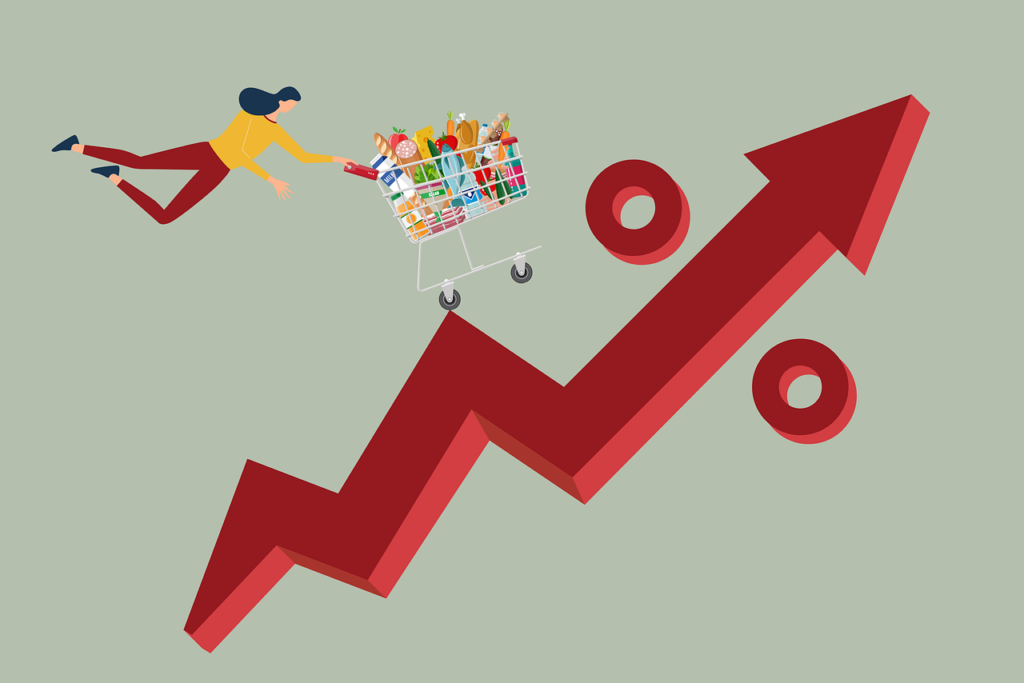
As Nigeria continues to battle rising prices and economic pressure, a new policy direction known as inflation targeting is gaining attention. The Central Bank of Nigeria is positioning this approach as a key strategy to control inflation and stabilize the economy.
But beyond the technical explanation, many Nigerians are asking one simple question: will this policy actually make food cheaper and reduce the cost of living, or will it add more pressure to already struggling households?
What Is Inflation Targeting?
Inflation targeting is a monetary policy where the central bank sets a specific goal for how fast prices should rise in the economy. It then uses financial tools such as interest rates to keep inflation within that target range.
In simple terms, it means trying to control how quickly the prices of goods and services increase so that living costs remain stable and predictable.
For example, when inflation is too high, the central bank may increase interest rates to reduce spending and slow down price increases in the economy.
Why Nigeria Is Considering Inflation Targeting
Nigeria has been experiencing persistent inflation driven by several factors. These include rising fuel prices, exchange rate instability, high transportation costs, supply chain disruptions, and insecurity affecting food production in some regions.
Food inflation has been particularly painful for households, with the prices of basic items such as rice, garri, bread, and vegetables increasing significantly over time.
The goal of inflation targeting is to bring stability to the economy by controlling these rapid price increases and restoring confidence in the financial system.
How It Could Affect Food Prices
If successfully implemented, inflation targeting could help stabilize food prices over time. When inflation is controlled, farmers, traders, and suppliers are able to plan better, and the supply chain becomes more predictable. This stability can gradually reduce extreme price fluctuations in markets.
However, this outcome does not happen quickly. It often takes time before price stability is fully felt by consumers.
At the same time, there is a possible downside. To control inflation, interest rates are often increased. This makes borrowing more expensive for farmers and small food producers. When access to credit becomes difficult, agricultural production may slow down, which can limit food supply and potentially push prices higher in the short term.
Transportation is another important factor. If inflation targeting helps stabilize fuel prices and the exchange rate, the cost of moving goods across the country may reduce. This could eventually reflect in lower market prices, especially in urban areas.
Impact on Cost of Living
Inflation targeting usually comes with tighter financial conditions. This means higher interest rates, reduced access to credit, and slower business expansion.
For ordinary Nigerians, this can translate into reduced spending power, more expensive loans, and slower job creation in some sectors. Businesses may also find it more difficult to expand or invest, which can affect employment opportunities.
On the positive side, if the policy is successful in the long run, it can lead to more stable prices, better purchasing power, and improved economic planning for both individuals and businesses.
However, this stability is not immediate. It often comes after a period of adjustment that can feel economically harsh.
Short-Term Pain, Long-Term Gain?
One of the biggest realities of inflation targeting is that it often brings short-term economic discomfort before long-term benefits are felt.
During the adjustment period, businesses may struggle with higher borrowing costs, consumers may reduce spending due to tight budgets, and overall economic activity may slow down.
This phase can be difficult, especially for households already dealing with high food and transport costs.
However, if the policy is consistently applied and supported by other economic reforms, it can eventually lead to a more stable and predictable economy.
Will It Work in Nigeria?
The effectiveness of inflation targeting in Nigeria depends on several structural factors. The country’s heavy reliance on imports, exchange rate fluctuations, insecurity in agricultural regions, and infrastructure challenges all play a role in shaping inflation.
If these issues are not addressed alongside monetary policy, inflation targeting alone may not produce strong results.
For the policy to succeed, it must work together with broader government efforts aimed at improving agricultural production, stabilizing fuel supply, enhancing transportation systems, and ensuring economic coordination across sectors.
What Nigerians Should Expect
In the coming months, Nigerians may begin to see changes in interest rates, lending conditions, and market price movements. However, it is important to manage expectations.
Inflation targeting is not an instant solution. It is a long-term strategy that requires consistency, discipline, and coordination across multiple sectors of the economy.
The impact will likely be gradual rather than immediate, and households may continue to feel pressure before any meaningful relief becomes visible.
Conclusion
Inflation targeting represents a serious attempt to address Nigeria’s rising cost of living and unstable price environment. If implemented effectively, it could bring long-term stability to food prices and the broader economy.
However, in the short term, Nigerians may continue to experience financial pressure as the economy adjusts to tighter monetary conditions.
Ultimately, the success of this policy will depend not just on economic theory, but on how well it is supported by real actions that improve production, reduce costs, and stabilize everyday life for ordinary citizens.
For now, Nigerians remain hopeful but cautious, watching closely to see whether this policy will deliver real relief at the market stalls and in household budgets.