
Juliet Ezeh
A recent courtroom incident in Abuja has triggered a broader debate within Nigeria’s legal community over judicial conduct, due process, and the limits of authority on the bench.
The Nigerian Bar Association has raised concerns about reports of an exchange between a judge and a defence lawyer during proceedings at the Federal High Court, warning that such developments could have implications for the administration of justice.
In a statement issued by its President, Afam Osigwe, the association stressed that while judges have the responsibility to maintain order in court, the exercise of such powers must remain within established legal and procedural boundaries.
According to the NBA, the incident has brought renewed attention to the importance of due process in handling courtroom disagreements, particularly in cases involving allegations of contempt.
Legal analysts say the development highlights the delicate balance between judicial authority and the rights of legal practitioners, noting that any perceived overreach could affect public confidence in the justice system.
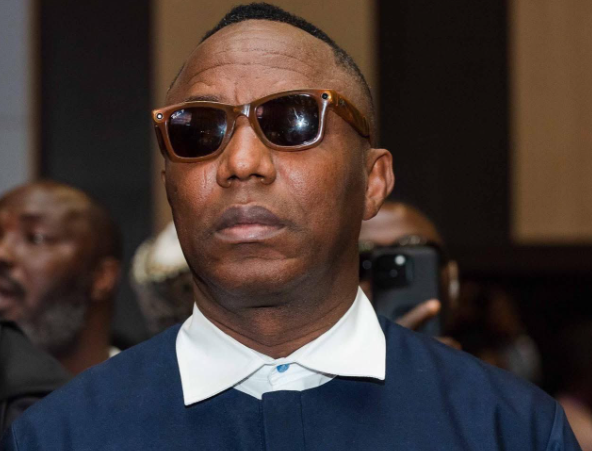
The case at the centre of the controversy involves activist Omoyele Sowore, who is currently facing prosecution by the Department of State Services over alleged cyber-related offences.
Observers note that high-profile cases often amplify scrutiny of courtroom proceedings, making adherence to professional standards even more critical.
The Nigerian Bar Association reiterated that disciplinary measures in court must follow clearly defined legal procedures to ensure fairness, objectivity, and respect for all parties involved.
It also emphasised that the relationship between the Bench and the Bar remains central to the effective administration of justice, requiring mutual respect and adherence to professional ethics.
Beyond the immediate incident, stakeholders in the legal sector are calling for stronger institutional mechanisms to address grievances arising from courtroom conduct, rather than allowing such issues to escalate publicly.
Commenting on the matter, human rights lawyer Inibehe Effiong said the situation underscores the need to uphold the dignity of the legal profession and maintain global standards in courtroom practices.
Analysts further warn that preserving the integrity of the judiciary is essential to sustaining investor confidence, protecting civil liberties, and strengthening democratic institutions.
As discussions continue, attention is expected to shift toward how regulatory and disciplinary bodies within the legal system respond to the concerns raised.

Juliet Ezeh is the founder and chief reporter at Westbridge Reporters with over 7 years of experience in journalism. She covers crime, industry, policy, and social developments, delivering timely and accurate reporting.