
Juliet Ezeh
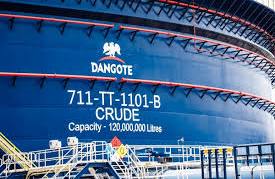
Nigeria’s position in Africa’s energy market is strengthening as the Dangote Petroleum Refinery expands exports of refined petroleum products, a development expected to boost foreign exchange earnings and reshape regional fuel trade.
Recent shipments of refined products to multiple African countries highlight a growing shift in the continent’s supply dynamics, with Nigeria emerging as a key source of refined fuel.
Exports Signal Shift in Africa’s Fuel Trade
Industry data shows that several African countries are increasingly turning to regional suppliers amid disruptions in global fuel supply chains.
The Dangote refinery’s ability to supply large volumes of refined products is reducing reliance on imports from Europe and the Middle East, which have historically dominated Africa’s fuel market.
Westbridge reports that this trend is accelerating intra-African trade and repositioning Nigeria as a strategic energy hub
Foreign Exchange Gains Expected
Analysts say the expansion of refined product exports could provide a significant boost to Nigeria’s foreign exchange inflows at a time when the country is seeking to stabilise its currency and improve external reserves.
Unlike crude oil exports, refined petroleum products offer higher value, allowing Nigeria to capture more revenue within the value chain.
This shift is expected to support macroeconomic stability and reduce pressure on the country’s balance of payments over time.
Rising Demand Across the Continent
Growing demand from countries facing fuel shortages has further strengthened Nigeria’s position in the regional market.
Reports indicate that several African economies are actively seeking supply arrangements as global disruptions continue to affect fuel availability.
The refinery’s production of higher-quality fuel standards is also contributing to increased demand, particularly in markets transitioning away from lower-grade imports.
Domestic Supply Concerns Addressed
Despite rising export volumes, officials maintain that domestic fuel supply remains secure, noting that production capacity has been structured to meet both local and regional demand.
Westbridge understands that the refinery’s scale allows for simultaneous supply to Nigeria and export markets without immediate risk of local shortages.
Strategic Implications for Nigeria
The expansion of exports marks a significant development for Nigeria, which has historically relied on imported refined products despite being a major crude oil producer.
By increasing domestic refining capacity and exporting surplus output, the country is gradually reversing this trend and strengthening its economic position within Africa.
Westbridge analysis indicates that sustained export growth could enhance Nigeria’s geopolitical and economic influence, particularly in energy-dependent markets.
Outlook
Analysts expect demand for refined petroleum products from Nigeria to remain strong in the near term, driven by ongoing global supply disruptions and limited refining capacity across Africa.
Westbridge reports that the continued expansion of refining operations and export capacity will be critical in determining how much Nigeria can capitalise on this opportunity.
If sustained, the trend could mark a long-term shift in Africa’s energy landscape, with Nigeria playing a central role in regional fuel supply and trade.

Juliet Ezeh is the founder and chief reporter at Westbridge Reporters with over 7 years of experience in journalism. She covers crime, industry, policy, and social developments, delivering timely and accurate reporting.