
AbdulGaneey Balogun
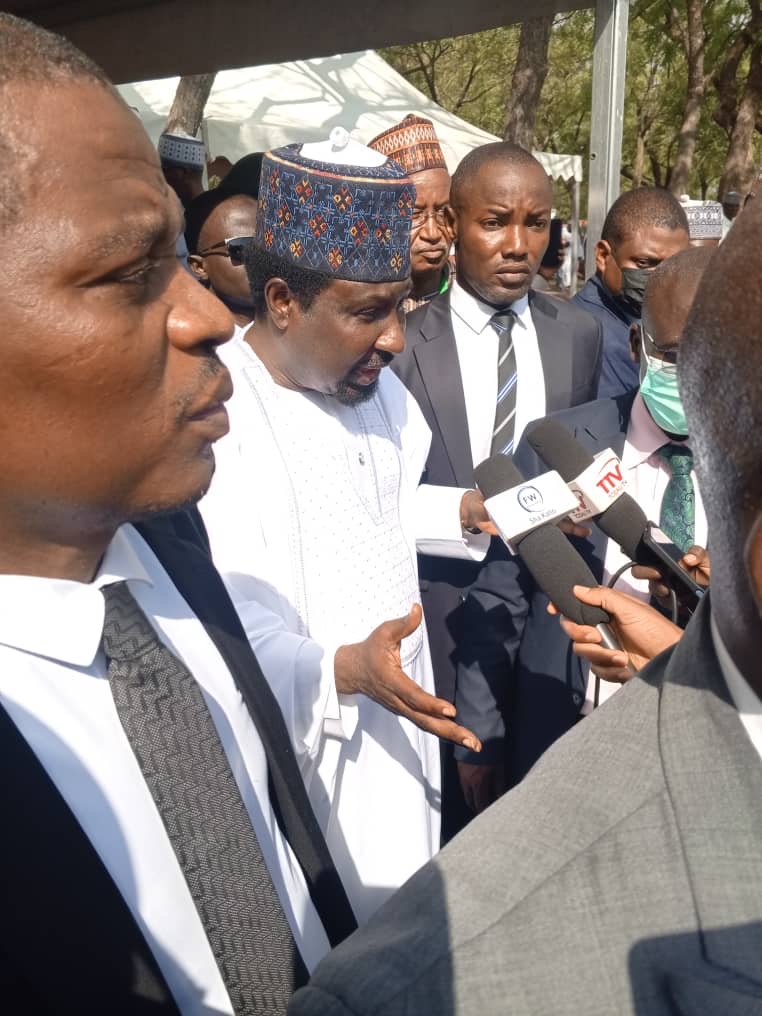
Calls for national unity and decisive security action took centre stage on Friday as Deputy Senate President, Barau Jibrin, and Islamic cleric, Illiasu Usman, urged Nigerians and leaders to confront the country’s deepening challenges amid global instability.
Speaking after Eid prayers at the National Mosque Abuja, Barau warned that rising global crises — including conflicts in parts of the Middle East and Europe — are exerting pressure on economies worldwide, making internal unity critical for Nigeria’s stability.
He stressed that support for the administration of Bola Tinubu remains essential in navigating economic uncertainties and maintaining national cohesion.
According to him, global shocks such as geopolitical conflicts and supply chain disruptions continue to affect developing economies like Nigeria, increasing the urgency for coordinated domestic policies and public cooperation.
“The world is facing enormous challenges, and Nigeria cannot isolate itself from these realities,” Barau said, adding that sustained public support would strengthen the government’s ability to deliver economic recovery and long-term growth.
Cleric Raises Alarm Over Security as Development Stalls
In a sermon that underscored a more urgent domestic concern, Usman shifted attention to Nigeria’s persistent insecurity, warning that no meaningful development can occur in an environment plagued by violence.
He called on federal, state, and local governments to intensify efforts against criminal networks, noting that Nigeria possesses both the human and material resources needed to tackle insecurity decisively.
“Development cannot thrive where fear dominates daily life,” he said, urging authorities to adopt stronger, more coordinated strategies against violent groups.
Unity Message Comes Amid Economic Pressure
The dual message of unity and security comes at a time when Nigerians are grappling with inflation, rising living costs, and economic reforms that have triggered mixed reactions across the country.
Analysts say the intersection of global crises and domestic challenges has made governance more complex, increasing pressure on policymakers to balance reform with social stability.
Barau’s remarks reflect growing concern among political leaders that without internal cohesion, external shocks could deepen economic hardship and widen social divides.
Religious Leaders Reinforce National Appeal
Beyond political messaging, the Eid gathering also highlighted the influential role of religious leaders in shaping public discourse, particularly during periods of national uncertainty.
Both speakers emphasized prayer, unity, and collective responsibility as essential tools for overcoming Nigeria’s current challenges.
Why This Story Matters
The convergence of political and religious voices on unity, security, and economic resilience signals a broader national concern: Nigeria’s ability to withstand global disruptions while addressing its internal vulnerabilities.
With insecurity and economic strain continuing to test the nation, the call for both stronger leadership action and public support may define the country’s path in the coming months.

Juliet Ezeh is the founder and chief reporter at Westbridge Reporters with over 7 years of experience in journalism. She covers crime, industry, policy, and social developments, delivering timely and accurate reporting.