
Fesochukwu Jason
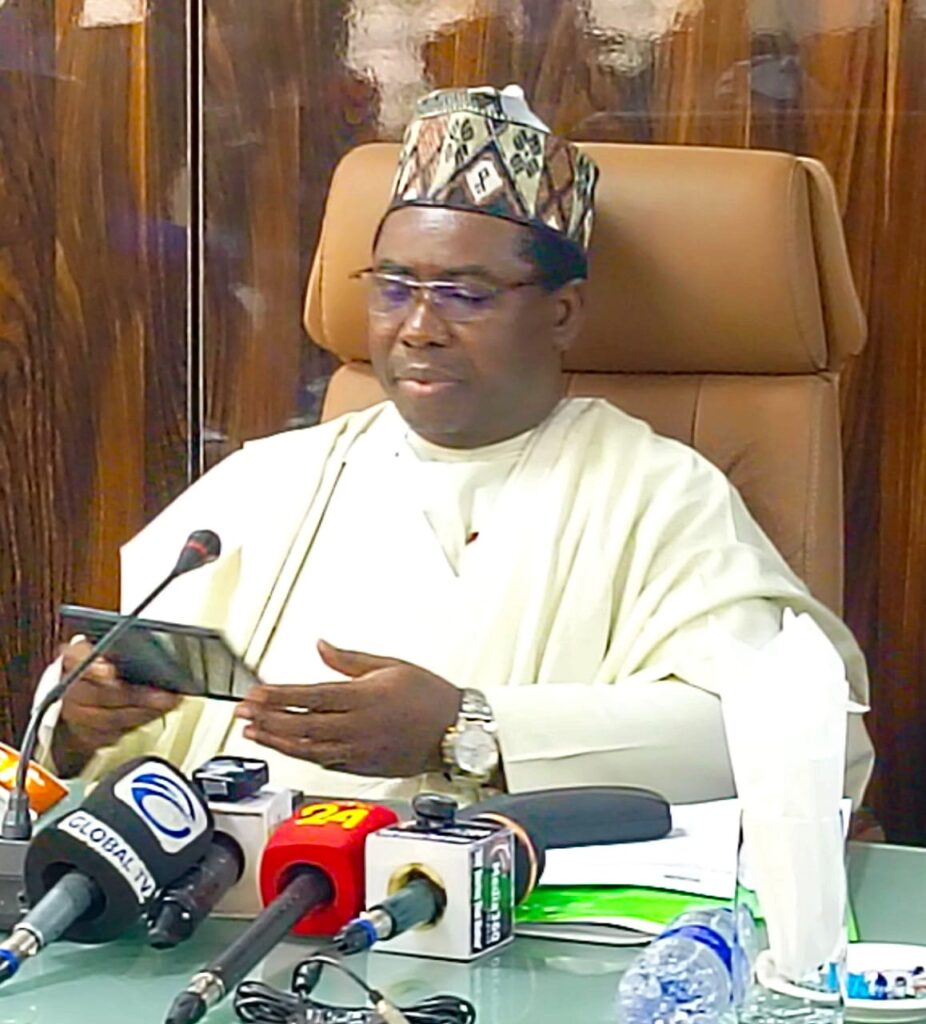
The Chairman of the Independent National Electoral Commission, Prof. Joash Amupitan, has warned that declining voter participation in Nigeria is no longer just a democratic concern but a growing national security threat.
Speaking at the 2nd Annual Lecture of the Alumni Association of the National Institute for Security Studies in Abuja, Amupitan said persistent voter apathy is creating dangerous gaps in the country’s democratic system, weakening public trust and opening the door to instability.
He revealed that voter turnout in Nigeria has dropped sharply over the years, falling from about 53 per cent in 2011 to 26 per cent in 2023, a trend he described as deeply troubling. Even in recent local elections, participation remains significantly low, underscoring the urgency of rebuilding public confidence in the electoral process.
According to him, when citizens disengage from elections, it creates what he termed a “narrative vacuum” that can easily be exploited by non-state actors to discredit democratic institutions and fuel unrest.
“Every vote cast is not just a civic duty but a contribution to national security,” he said, stressing that inclusive participation is critical to maintaining peace and legitimacy in governance.
The INEC chairman noted that as Nigeria approaches the 2027 general elections, reversing this trend will be essential to ensuring credible outcomes and preventing post-election tensions.
He added that the Commission is intensifying efforts to strengthen voter confidence through ongoing reforms, including continuous voter registration, improved voter education, and the deployment of technology to enhance transparency.
Amupitan also highlighted the role of security agencies, civil society groups, and political stakeholders in encouraging greater participation, noting that rebuilding trust requires a collective national effort.
While reaffirming INEC’s commitment to delivering free and credible elections, he warned that without active citizen engagement, even the most advanced electoral systems may fall short of guaranteeing stability.
As preparations for 2027 gather momentum, the message from the electoral body is clear: safeguarding Nigeria’s democracy will depend not only on institutions but on the willingness of citizens to show up and vote.

Juliet Ezeh is the founder and chief reporter at Westbridge Reporters with over 7 years of experience in journalism. She covers crime, industry, policy, and social developments, delivering timely and accurate reporting.