
By Juliet Ezeh
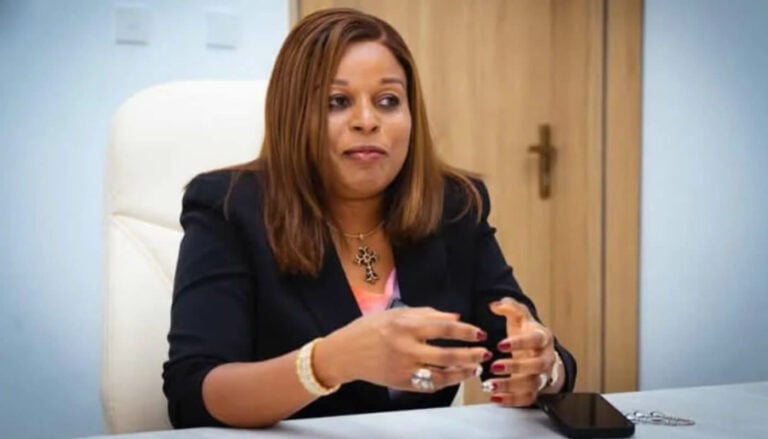
The wife of the Charles Soludo, Nonye Soludo, has called on Nigerian women to actively participate in politics and governance, stressing that greater female representation is necessary to influence policies affecting women and girls.
Speaking in a statement issued to mark the 2026 celebration of International Women’s Day on March 8, Soludo said women must move beyond advocacy and take deliberate steps to be part of the political process where key decisions are made.
She noted that the number of women participating in politics remains significantly low despite years of advocacy for gender inclusion, adding that this trend must change if meaningful progress is to be achieved.
According to her, women cannot influence policies that shape their future if they remain distant from the structures where such decisions are taken.
Soludo therefore encouraged women with political ambitions to step forward and contest for leadership positions, assuring them that support networks exist to encourage more female participation in governance.
She also commended the First Lady of Nigeria, Oluremi Tinubu, for proposing legislation that would reserve a specific number of seats for women in the National Assembly of Nigeria.
Soludo described the proposal as a significant step toward improving representation and giving women stronger voices in national policymaking.
She further suggested that similar provisions should be considered for state legislatures, noting that including women in the State Houses of Assembly would deepen gender representation across different levels of governance.
The Anambra First Lady said empowering women politically would strengthen advocacy on issues such as gender equality, protection from abuse, workplace discrimination, and broader social justice concerns.
She stressed that women have consistently demonstrated strong leadership abilities when entrusted with public responsibilities, adding that increased participation would contribute to more inclusive and balanced governance.
Soludo emphasised that women’s empowerment should go beyond symbolic conversations and translate into concrete actions that allow women to influence decisions affecting their lives and communities.
She added that when women are given the opportunity to lead and participate fully in society, the benefits extend beyond individuals to families, communities and future generations.

Juliet Ezeh is the founder and chief reporter at Westbridge Reporters with over 7 years of experience in journalism. She covers crime, industry, policy, and social developments, delivering timely and accurate reporting.