
By Juliet Ezeh
The National Assembly has given the green light to a N1.50 trillion budget for the Nigerian Army for 2026, highlighting the legislature’s commitment to ensuring operational readiness and supporting the country’s security framework.
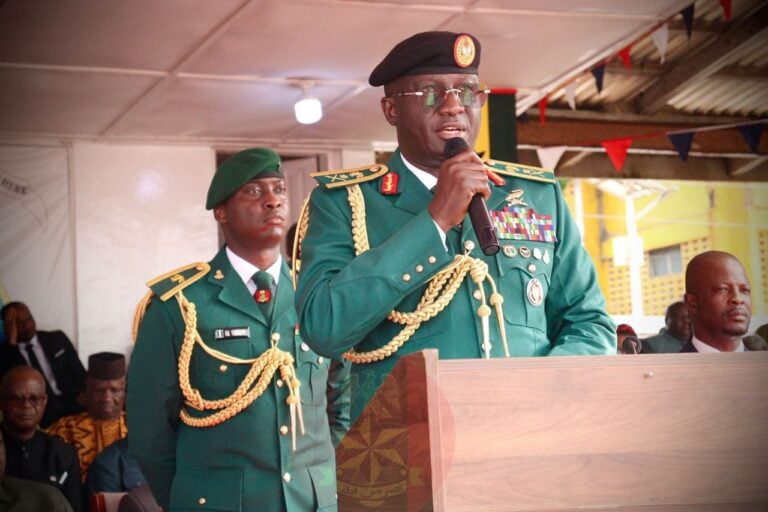
The approval followed a joint defence session between the Senate and House of Representatives Committees on Army, where the Chief of Army Staff, Lt. Gen. Waidi Shaibu, presented the proposed allocations and strategic priorities for the upcoming fiscal year.
Senator Abdulaziz Yar’Adua, Chairman of the Senate Committee on Army, said lawmakers were satisfied with the presentation and stressed the importance of timely fund disbursement. He noted that delays in releasing appropriated funds have long hindered the effectiveness of ministries, departments, and agencies across the nation.
“We are committed to collaborating with the Chief of Army Staff to ensure that the Nigerian Army has the resources it needs. The Army is vital to national security, and we will support its mandate fully,” Yar’Adua said.
In the House of Representatives, Chairman Aminu Balele praised the Army for its dedication and sacrifice in safeguarding the nation, promising sustained legislative advocacy for prompt release of approved funds. He highlighted the need for adequate financing to enable troops to carry out both counter-insurgency and internal security operations effectively.
The N1.50 trillion allocation reflects growing recognition of the evolving security challenges facing Nigeria, including insurgency in the North-East, armed banditry in the North-West and North-Central regions, and rising criminal networks across the country. Analysts stress that modern military operations require continuous investment in intelligence, logistics, troop welfare, equipment, and training.
Security stakeholders have long warned that delays in fund disbursement can disrupt planning, procurement, and morale, potentially undermining operational effectiveness. The National Assembly’s approval is therefore not only a financial commitment but also a political signal underscoring support for ongoing military engagements.
Lawmakers emphasized that translating budget approvals into tangible improvements on the ground depends on prompt and efficient release of funds. With troops engaged across multiple fronts, timely financing is critical to sustaining operational capability and ensuring that security contributes to national stability, economic growth, and citizen confidence.
The 2026 budget approval positions the Nigerian Army to continue its strategic role in addressing asymmetric threats, maintaining internal security, and protecting Nigeria’s territorial integrity in a complex security landscape.

Juliet Ezeh is the founder and chief reporter at Westbridge Reporters with over 7 years of experience in journalism. She covers crime, industry, policy, and social developments, delivering timely and accurate reporting.