
Juliet Ezeh
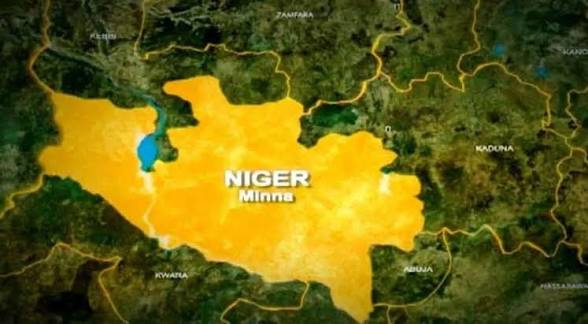
A tragic incident has been reported in Niger State following an early morning military air operation that allegedly resulted in the deaths of civilians in a rural settlement near Kusasu in Shiroro Local Government Area.
Eyewitness accounts from residents claim that the airstrike occurred around 5 a.m. on Sunday, when suspected armed groups were said to be moving through the area on motorcycles. The settlement, identified as Guradnayi, was reportedly struck during the operation, leading to multiple civilian casualties.
Local sources described the moment as chaotic and devastating, with explosions allegedly hitting residential areas where families were gathered. One resident said at least a dozen people were killed in a single household, while others who had fled nearby communities were also caught in the blast.
According to community accounts, the situation unfolded as military aircraft pursued armed men believed to be operating in the region. Residents said the first explosion occurred close to a river area in Kusasu, followed by another strike in Guradnayi.
The incident has triggered fear and confusion across surrounding communities, many of which have previously experienced insecurity linked to armed groups operating in the Shiroro axis. Some residents claim this is not the first time civilians have been affected during security operations in the region, raising renewed concerns about the safety of rural populations caught in conflict zones.
While official confirmation of the incident is still pending, local voices continue to report significant loss of life and displacement. There has been no formal statement from military authorities regarding the air operation or the alleged civilian casualties at the time of reporting.
Residents also allege that armed groups had moved through Kusasu shortly before the airstrike, with some fleeing toward neighbouring communities. A local source claimed that security aircraft were tracking the movement of the armed men when the strikes occurred.
Security developments in the area suggest that armed groups remain active across parts of Shiroro and nearby local government areas. Reports indicate continued movement of armed individuals across forested routes linking communities such as Munya and other remote settlements.
A security-linked source noted that armed elements had shifted operations toward nearby areas, where they were still believed to be active. The source also mentioned ongoing incidents of cattle rustling in surrounding communities, although no fresh abductions or confirmed killings were immediately reported beyond the airstrike incident.
The latest development has once again drawn attention to the humanitarian impact of military operations in rural and hard-to-reach areas of northern Nigeria, where armed groups often operate within civilian-populated regions. The blurred lines between combatants and residents continue to make security operations highly complex and risky.
Over the years, communities in Niger State have repeatedly reported incidents involving accidental civilian casualties during counter-insurgency operations. These incidents have fueled public concern and calls for improved intelligence gathering, precision targeting, and stronger protection of non-combatants during military engagements.
Human rights observers have often stressed the importance of minimizing civilian harm during air operations, particularly in regions where armed groups blend into local populations or move through civilian settlements. They argue that better real-time intelligence and surveillance could help reduce the risk of misidentification and unintended strikes.
For residents of Shiroro and surrounding areas, the latest reported tragedy adds to an already fragile security situation. Many communities remain displaced due to ongoing attacks, with limited access to basic services, healthcare, and safe shelter.
The emotional toll on affected families is significant, as survivors describe sudden explosions, destroyed homes, and the loss of loved ones in what they believed was a routine night in their community. Fear and uncertainty continue to spread as residents await official clarification on what led to the strike.
As of now, calls are growing for a transparent investigation into the incident, including verification of casualty figures and assessment of operational procedures used during the mission. Community leaders are also urging authorities to engage directly with affected villages to provide clarity and humanitarian support.
The situation remains tense, with security operations still ongoing in parts of Shiroro and neighbouring areas. Residents continue to monitor developments closely, hoping for improved safety measures and a reduction in civilian harm during future operations.
The reported airstrike has once again highlighted the delicate balance between counter-insurgency efforts and civilian protection, raising urgent questions about how military operations can be conducted more safely in conflict-prone regions.