
By Juliet Ezeh
Nigeria’s ambition to grow its economy to $1 trillion by 2030 will largely depend on the strength of private sector investment and participation, the Minister of State for Budget and Economic Planning, Doris Uzoka-Anite, has said.
Uzoka-Anite made the remarks on Monday while formally resuming duties at the Federal Ministry of Budget and Economic Planning Nigeria in Abuja.
According to her, the private sector will need to drive about 95 per cent of the country’s economic expansion, while the government’s role will focus on creating policies and an enabling environment that encourages business growth and investment.
She noted that sustainable economic development would depend on strong collaboration between government institutions and the business community.
Uzoka-Anite expressed confidence that Nigeria could achieve the ambitious $1 trillion economy target set by President Bola Tinubu, citing ongoing economic reforms and development planning initiatives.
She explained that the administration’s Renewed Hope programme places significant emphasis on attracting investment, strengthening productive sectors and encouraging entrepreneurship across the country.
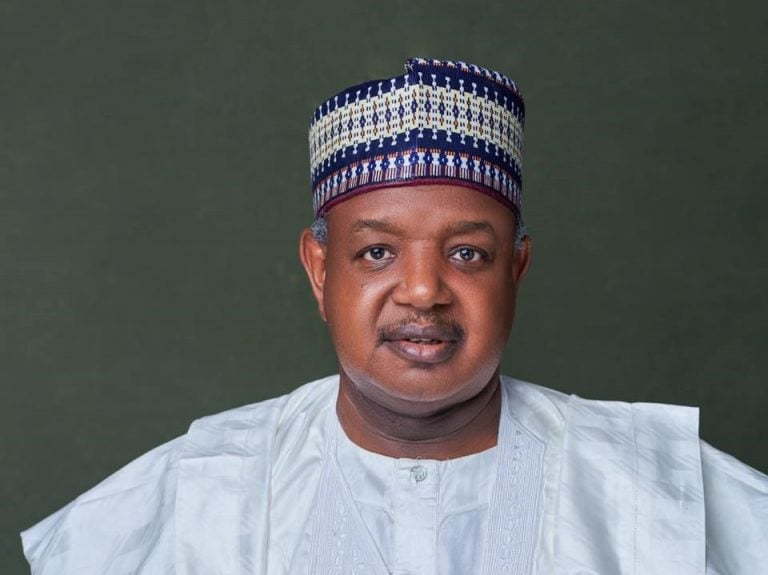
Earlier, the Minister of Budget and Economic Planning, Abubakar Bagudu, highlighted the importance of coordinated economic policies among the different tiers of government.
He disclosed that state governments account for roughly 48 per cent of public expenditure in Nigeria, making their involvement essential in achieving national development goals.
Bagudu said effective cooperation between federal, state and local governments would be critical in implementing development policies and ensuring that economic reforms deliver tangible results.
He also explained that the upcoming National Development Plan for 2026–2030 would outline key policy priorities and investment strategies required to sustain economic growth at an average rate of about seven per cent annually.
According to him, the ministry serves as the country’s central planning authority responsible for coordinating development programmes and providing strategic policy guidance to the government.
The minister added that priority areas identified by the National Economic Council include improving security, financing major infrastructure projects and intensifying efforts to curb illegal activities in the extractive sector, particularly crude oil theft and illegal mining.
Bagudu further noted that Nigeria continues to strengthen international development partnerships aimed at supporting economic expansion.
He cited the recent upgrade of bilateral relations with China to a comprehensive strategic partnership, which has already resulted in new cooperation agreements focused on economic development.
Officials say the National Development Plan and broader economic reforms are expected to provide the framework for achieving the administration’s long-term growth targets.

Juliet Ezeh is the founder and chief reporter at Westbridge Reporters with over 7 years of experience in journalism. She covers crime, industry, policy, and social developments, delivering timely and accurate reporting.