
By Juliet Ezeh
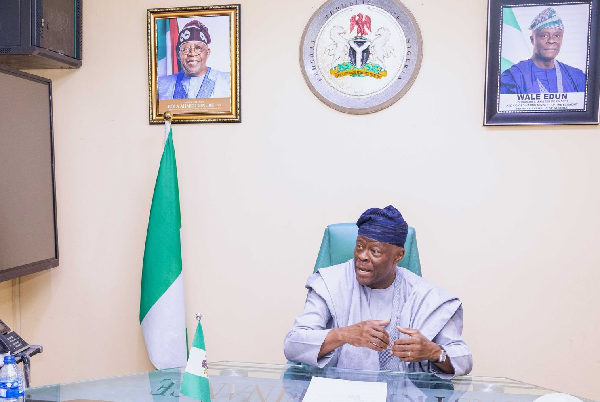
Nigeria’s fiscal outlook is gradually improving as government revenue continues to grow following a series of economic reforms introduced by the administration of Bola Ahmed Tinubu, according to the Minister of Finance and Coordinating Minister of the Economy, Wale Edun.
Edun disclosed that Federal Government revenue has recorded significant growth in recent years, rising from ₦12.48 trillion in 2023 to ₦20.98 trillion in 2024. By November 2025, the country had already generated about ₦22 trillion, reflecting improvements in tax administration and stronger remittance discipline by government agencies.
The minister attributed the revenue increase to a combination of structural reforms designed to strengthen Nigeria’s fiscal framework and reduce reliance on oil earnings.
According to him, the reforms have focused on improving transparency in public finance, blocking revenue leakages and expanding non-oil revenue sources across key sectors of the economy.
Edun noted that the improvement also reflects stronger compliance by government institutions and agencies responsible for revenue collection, as well as better monitoring of remittances to the federation account.
He explained that the country’s revenue growth is occurring alongside broader fiscal reforms aimed at stabilising the economy and promoting long-term sustainability.
These reforms include the removal of fuel subsidies, exchange-rate liberalisation, tighter monetary policy and the discontinuation of deficit financing through the Central Bank of Nigeria.
The minister said the government has deliberately shifted away from past fiscal practices that relied heavily on monetary financing and opaque accounting structures.
One of the major changes, he explained, was the formal recognition of about ₦30 trillion previously owed to the Central Bank of Nigeria under the Ways and Means facility, which has now been incorporated into the country’s official public debt records.
He added that recent increases in Nigeria’s debt profile were also influenced by exchange-rate adjustments, which raised the naira value of the country’s external debt.
According to Edun, a significant portion of the rise in public debt reflects currency valuation effects rather than new borrowing.
He noted that when the naira depreciates against major global currencies, the naira cost of servicing foreign-denominated debt automatically increases even if the underlying debt stock remains unchanged.
Despite the fiscal pressures created by higher debt servicing and currency fluctuations, the minister said the government has continued to prioritise key obligations such as salary payments, pensions and the execution of capital projects.
Edun also explained that some misconceptions about government capital spending arise from focusing solely on cash releases to ministries, departments and agencies.
He said federal capital expenditure includes projects financed through multilateral loans from international development partners, which are disbursed directly for specific infrastructure and social programmes.
According to him, such projects continue to progress even when direct cash releases to government agencies appear limited.
The minister emphasised that Nigeria’s fiscal sustainability should be assessed using broader economic indicators, including the debt-to-GDP ratio, revenue growth and the fiscal deficit trend.
He added that while the transition to a more transparent fiscal framework has created short-term economic pressures, the reforms are designed to establish a more stable and sustainable economic system over time.

Juliet Ezeh is the founder and chief reporter at Westbridge Reporters with over 7 years of experience in journalism. She covers crime, industry, policy, and social developments, delivering timely and accurate reporting.