
By Juliet Ezeh
The Revenue Mobilisation Allocation and Fiscal Commission has dismissed reports suggesting that disputed crude oil and gas wells have been reassigned to certain oil-producing states, clarifying that no final decision has been reached.
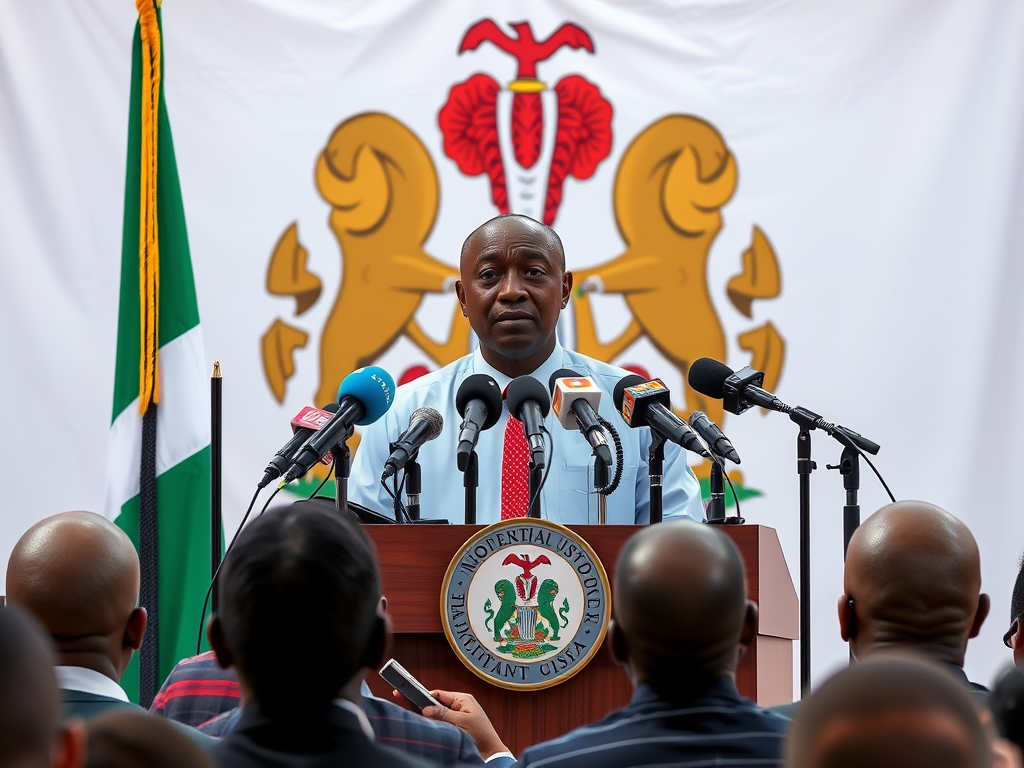
In a statement issued on Sunday, the Chairman of the commission, Mohammed Shehu, described the circulating claims as premature and inaccurate, stressing that the commission is still undergoing constitutionally required review procedures.
The clarification follows media reports alleging that recommendations had already been made by an inter-agency committee overseeing the verification of coordinates of disputed oil and gas wells between states.
Draft Report Under Review
According to the commission, what currently exists is only a draft report recently submitted for institutional scrutiny. The document has been forwarded to key technical bodies, including the Nigerian Upstream Petroleum Regulatory Commission, the National Boundary Commission, and the Office of the Surveyor General of the Federation for expert input.
The commission explained that these agencies are expected to provide technical observations before any further action is considered.
It emphasized that the process involves multiple layers of review, including internal technical and legal committees, before the matter can proceed to plenary deliberation.
Constitutional Process Still Ongoing
RMAFC noted that after internal reviews are completed, any final recommendation would be transmitted to the President and the Attorney-General of the Federation in accordance with constitutional provisions.
By outlining the procedural steps, the commission sought to reassure stakeholders that no oil well has been ceded or reassigned at this stage.
It warned that reports suggesting otherwise could mislead the public and inflame tensions among oil-producing states.
Call for Patience Among States
Earlier this year, the commission had called on oil-producing states to cooperate fully in the verification exercise aimed at resolving long-standing boundary and resource disputes.
Shehu reiterated that transparency, impartiality, and due process remain central to the commission’s mandate, especially on matters that affect revenue allocation and inter-state relations.
Why the Dispute Matters
Disputed oil wells directly influence derivation revenue shared among oil-producing states, making the verification exercise politically and economically sensitive.
With institutional reviews still in progress, the commission urged the public and media organisations to rely only on official communications pending the conclusion of statutory procedures.

Juliet Ezeh is the founder and chief reporter at Westbridge Reporters with over 7 years of experience in journalism. She covers crime, industry, policy, and social developments, delivering timely and accurate reporting.