
Fesochukwu Jason
Nigeria’s counterterrorism strategy appears to be entering a new phase, as the deployment of advanced U.S. surveillance drones and military advisers signals a growing shift from direct combat operations to intelligence-driven warfare.
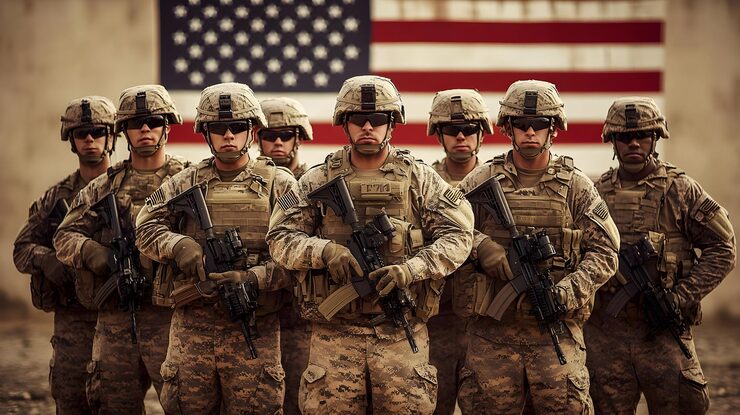
According to Reuters, the United States has stationed multiple MQ-9 Reaper drones alongside about 200 troops in Nigeria, providing intelligence gathering and training support to local forces battling insurgents in the north.
A Strategic Pivot to Intelligence Dominance
Security analysts say the deployment highlights a deliberate pivot toward improving Nigeria’s intelligence capabilities rather than expanding foreign combat involvement.
The MQ-9 drones known for their long endurance and precision surveillance are currently being used strictly for reconnaissance missions. Their ability to monitor vast, difficult terrains for extended periods is expected to significantly improve how Nigerian forces detect and respond to insurgent movements.
A U.S. defence official, quoted by Reuters, described the collaboration as addressing a “shared security threat,” emphasizing that the mission is limited to advisory and intelligence roles.
Why This Matters for Nigeria’s Military
For years, Nigeria’s fight against groups like Boko Haram and ISWAP has been challenged by gaps in real-time intelligence, particularly in remote regions where insurgents exploit difficult terrain.
The newly established U.S.-Nigeria intelligence fusion cell referenced by military authorities is expected to bridge that gap by delivering actionable intelligence directly to commanders in the field.
Major General Samaila Uba confirmed that U.S. personnel are operating from Bauchi airfield, stressing that their role remains strictly non-combat.
“Our U.S. partners remain in a strictly non-combat role, enabling operations led by Nigerian authorities,” he said.
Balancing Security Gains and Sovereignty Concerns
While the deployment may enhance operational effectiveness, it also raises familiar questions about sovereignty and foreign military presence.
Experts note that Nigeria has historically been cautious about allowing foreign troops on its soil, making the current arrangement focused on advisory support rather than combat a carefully negotiated compromise.
By avoiding frontline engagement, both countries appear to be maintaining a balance between strengthening security cooperation and preserving Nigeria’s operational independence.
Rising Threat Levels Driving Cooperation
The move comes amid renewed insurgent activity in northern Nigeria, including recent attacks targeting both military and civilian locations.
Military officials warn that extremist groups are increasingly seeking high-visibility attacks to reassert their relevance, a trend that underscores the urgency of improved surveillance and early threat detection.
The U.S. deployment follows earlier security cooperation efforts, including coordinated actions against ISIS-linked elements, reflecting a broader international interest in stabilising the region.
What Comes Next
The duration of the deployment remains undefined, with both Nigerian and U.S. authorities indicating it will depend on evolving security needs and mutual agreements.
However, analysts believe the long-term impact will likely extend beyond immediate operations, potentially reshaping Nigeria’s counterinsurgency framework toward a more intelligence-led model.
If successful, this approach could reduce reliance on reactive military offensives and instead prioritize proactive threat detection an adjustment many experts consider critical in modern asymmetric warfare.

Juliet Ezeh is the founder and chief reporter at Westbridge Reporters with over 7 years of experience in journalism. She covers crime, industry, policy, and social developments, delivering timely and accurate reporting.