
Lilian Ugwu
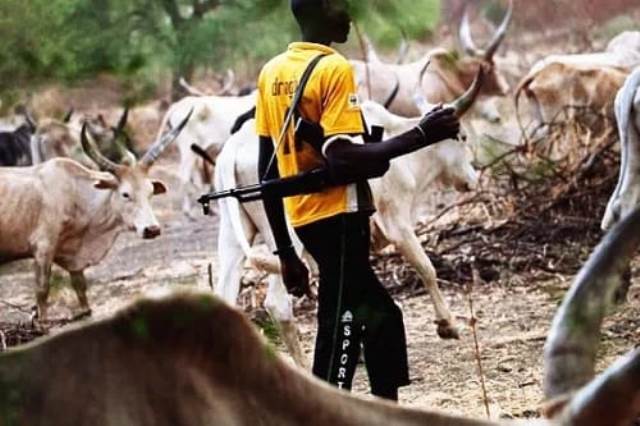
A deadly joint operation involving state-backed vigilantes and security forces has reportedly left dozens of ethnic Fulani herders dead in northwestern Nigeria, raising fresh concerns over escalating communal violence, counter terrorism tactics, and alleged extrajudicial killings in conflict-hit rural communities.
Local sources speaking to international media say the operation took place in border communities between Nigeria and Benin Republic, where armed vigilante groups, allegedly working alongside Nigerian military personnel and cross-border community fighters, stormed Fulani herding settlements accused of links to an extremist network.
The incident has triggered alarm among humanitarian observers and community leaders, who warn that the violence could deepen long-standing ethnic tensions and fuel further instability in an already fragile region.
Deadly Night Raids Target Herder Communities
According to multiple eyewitness accounts and local leaders, the operation unfolded in a series of coordinated nighttime and early morning raids targeting settlements around Kabe in the Borgu axis of Niger State.
The herding communities, largely populated by Fulani pastoralists, were accused of providing information to an extremist group operating in the region. However, these allegations have not been independently verified by authorities.
During the raids, armed vigilantes reportedly moved from house to house, detaining young men suspected of involvement with the group. Those who resisted arrest were allegedly shot on the spot, according to local testimonies.
A community leader from a nearby village claimed that at least 41 people were killed during the operation, while several others were arrested and taken away for questioning.
The operation was reportedly carried out with support from local vigilante groups based in Nigeria’s Bussa district, as well as armed civilian auxiliaries from across the border in Benin Republic.
Military Involvement Raises Serious Questions
Local sources further alleged that Nigerian soldiers were present during parts of the operation, providing support to the vigilantes. However, the Nigerian military has not issued any official confirmation or denial regarding its role.
Attempts to reach military spokespersons for clarification were unsuccessful at the time of reporting, with officials declining immediate comment on the alleged incident.
The possible involvement of formal security forces alongside civilian militias has raised serious concerns among rights observers, who caution that such arrangements often blur accountability lines in conflict zones.
It also remains unclear whether security authorities in Benin Republic were aware of or involved in the cross-border participation of vigilante groups operating in the operation.
Rising Cycle of Violence and Reprisal Attacks
The latest violence comes against a backdrop of worsening insecurity in northwestern and central Nigeria, where rural communities have for years been caught in cycles of armed banditry, retaliatory killings, and counterinsurgency operations.
The region has witnessed repeated clashes involving armed criminal groups, extremist factions, and local vigilante formations created to defend communities in the absence of strong state protection.
However, these local defense groups have increasingly been accused of carrying out reprisal attacks against ethnic Fulani pastoralists, who are often stigmatized as being linked to criminal gangs or extremist networks.
Security analysts warn that this pattern of collective blame risks escalating tensions and pushing more civilians into cycles of violence.
Allegations of Pre-Emptive Attack Strategy
Some local residents defended the operation, describing it as a pre-emptive strike aimed at preventing an alleged planned disruption of farming activities during the ongoing agricultural season.
They claimed that tensions had risen in the area following earlier killings of individuals suspected of collaborating with extremist fighters. In retaliation, an armed extremist group reportedly attacked and burned down a nearby settlement, further inflaming fears of renewed violence.
According to these accounts, Fulani herders in the area were said to have issued warnings that they would target farming communities if attacks against their members continued.
However, these claims remain unverified and are part of a deeply divided narrative between affected communities.
Humanitarian Concerns Over Civilian Casualties
Humanitarian sources working in displacement-affected areas have provided slightly lower casualty figures, estimating around 38 deaths, while confirming that vigilante groups played a central role in the operation.
Aid workers have expressed concern over the growing militarization of community conflicts, warning that civilians are increasingly bearing the brunt of operations targeting suspected armed actors.
Following the raids, reports indicate that the affected herding settlements were largely deserted, with survivors fleeing alongside their cattle to safer locations.
Displacement movements in the region have become increasingly common, as families seek refuge from repeated cycles of violence involving both state and non-state actors.
Fulani Communities Caught in a Cycle of Stigmatization
The Fulani pastoralist community has repeatedly found itself at the center of security operations across several parts of Nigeria, often accused of harbouring or collaborating with armed groups operating in forested and rural areas.
However, community advocates argue that the majority of Fulani herders are civilians who are themselves victims of banditry, extortion, and forced displacement.
Security experts have warned that blanket accusations against entire communities risk deepening mistrust and undermining intelligence-gathering efforts needed to effectively combat extremist networks.
There are also growing concerns that heavy-handed responses could unintentionally strengthen recruitment for armed groups, as displaced or targeted individuals seek protection through alternative armed networks.
Calls for Investigation and Accountability
The reported killings have sparked calls for a transparent investigation into the conduct of all parties involved, including vigilante groups and any security personnel linked to the operation.
Human rights observers stress the importance of establishing clear accountability mechanisms to prevent further escalation and ensure that counterterrorism operations comply with legal and humanitarian standards.
At the time of reporting, neither Nigerian nor Beninese authorities had issued a comprehensive statement addressing the allegations.
Conclusion: A Region on the Edge
The deadly raid highlights the growing complexity of security challenges in northwestern Nigeria, where overlapping conflicts involving extremist groups, criminal gangs, vigilante forces, and ethnic tensions continue to fuel instability.
As communities mourn the reported loss of dozens of lives, fears are rising that the cycle of reprisal attacks and collective punishment could push the region further into violence.
Without urgent intervention, analysts warn, the fragile balance between community defense efforts and state-led security operations could continue to break down, leaving civilians increasingly vulnerable in an already volatile region.