
Juliet Ezeh
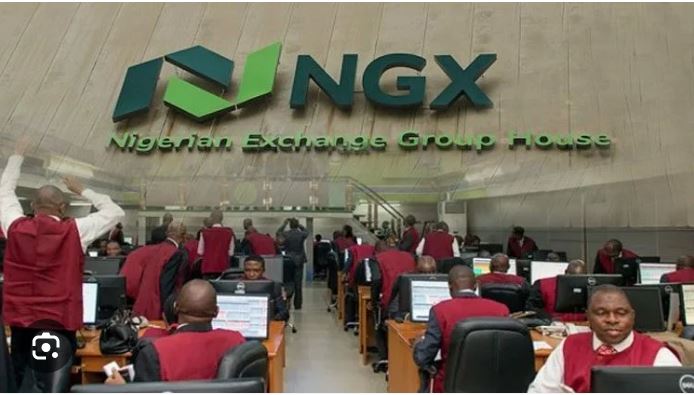
The Nigerian Exchange Limited (NGX) has officially commenced a significant expansion of its trading schedule, extending market hours from the previous 9:30 a.m.–2:30 p.m. window to a longer 9:00 a.m.–4:00 p.m. session, in a move aimed at deepening market activity and improving investor participation.
The new trading timetable, which took effect on Monday, April 27, 2026, adds more than three additional hours to the daily market session, marking one of the most notable operational adjustments in Nigeria’s capital market in recent years.
NGX confirmed the development in a statement shared via its official X handle, describing the change as a structural shift designed to make the market more responsive and accessible.
“It’s live. Effective today, 27 April, the market opens a new chapter earlier start, longer close, and more time to act,” the exchange stated.
“From this moment, trading just got more flexible, more responsive, and more aligned with opportunity. 9:00 a.m. marks more than the opening gong. It marks a shift. Now, let’s get trading,” it added.
Push for Liquidity and Market Efficiency
The expansion of trading hours was approved by the Securities and Exchange Commission (SEC), Nigeria’s apex capital market regulator, following months of consultations with key stakeholders in the financial ecosystem.
According to NGX, the reform is designed to boost liquidity in the market, improve price discovery mechanisms, and enhance the ability of investors to respond more efficiently to market-moving developments.
Market analysts say the extended session could help bridge the gap between Nigeria’s financial market and global exchanges, many of which operate longer trading windows or overlapping sessions with international markets.
By opening earlier and closing later, the NGX is also expected to create more flexibility for institutional investors, retail traders, and foreign portfolio participants who often face time constraints when reacting to market news.
A Structural Shift for the Capital Market
The decision represents a broader effort to modernize Nigeria’s capital market infrastructure and align it with global best practices.
For years, market participants have argued that the previous five-hour trading window limited activity and reduced the market’s ability to fully absorb economic news, corporate announcements, and macroeconomic data within a single trading day.
With the new 7-hour trading session, stakeholders expect increased trading volumes and improved market depth, particularly in highly liquid equities and exchange-traded instruments.
Financial experts also believe that the reform could help reduce volatility spikes often associated with limited trading hours, as price adjustments will now be spread over a longer period.
Investor Sentiment and Market Expectations
Reactions from the investment community have been largely positive, with many viewing the extension as a progressive step toward strengthening Nigeria’s position as an emerging investment destination in Africa.
Some brokers and asset managers note that the longer trading hours will require adjustments in operational strategies, including staffing, trade monitoring systems, and client engagement schedules.
However, they also acknowledge the potential benefits, particularly in terms of improved order execution and better alignment with global market movements.
“This is a welcome development. It gives more room for reaction to economic news and corporate disclosures,” a Lagos-based market analyst said. “It also reduces pressure on traders who previously had a compressed window to execute decisions.”
Digital Transformation and Market Competitiveness
The NGX reform also reflects ongoing efforts to digitize and modernize Nigeria’s financial markets. In recent years, the exchange has introduced several technological upgrades aimed at improving trading efficiency, transparency, and investor access.
The extension of trading hours is seen as part of a wider strategy to enhance competitiveness and attract more domestic and foreign investment into the Nigerian capital market.
By increasing participation time, the exchange hopes to encourage more active trading behavior, particularly among younger retail investors who engage with markets through digital platforms.
What It Means for the Economy
Economists suggest that a more active and liquid stock market can have broader implications for economic growth, including improved capital formation for listed companies and better valuation efficiency across sectors.
A deeper market could also strengthen investor confidence, particularly at a time when Nigeria continues to seek ways to attract foreign capital inflows and stabilize its financial system.
While the full impact of the extended trading hours will unfold over time, the reform is widely seen as a step toward making the Nigerian Exchange more dynamic, competitive, and responsive to both local and global financial trends.
For now, market participants will be watching closely to see how the longer session affects trading volumes, volatility patterns, and overall market performance in the weeks ahead.