
Juliet Ezeh
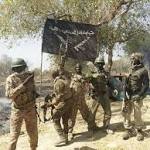
Troops of the 22 Brigade under Sector 1 of Operation Safe South-South (OPSS) have intensified military pressure on emerging security threats in North-Central Nigeria, successfully destroying suspected terrorist camps and recovering weapons during a coordinated clearance operation in Kaiama Local Government Area of Kwara State.
The early morning raid, which took place on April 24, underscores a growing effort by security forces to prevent the spread of armed groups into previously low-risk areas, as authorities move to consolidate gains against insurgency and criminal networks across the country.
Security sources familiar with the operation disclosed that the troops departed their harbour area in Kamenji at about 6:00 a.m., advancing strategically towards Tungan Mariga, a route believed to serve as a corridor for suspected armed elements operating within the region.
The operation, described as intelligence-driven, led to the discovery of makeshift camps in Nuku village. The camps, believed to have been used as hideouts by suspected terrorists and armed bandits, were subsequently destroyed by the troops to deny criminal elements a base for regrouping or launching attacks.
During the exercise, soldiers also recovered six Dane guns, a locally fabricated firearm commonly associated with bandits and irregular armed groups. Security analysts say the recovery of such weapons highlights the persistent reliance of non-state actors on both crude and sophisticated arms to sustain their operations.
A counter-insurgency expert, Zagazola Makama, who shared details of the mission, noted that the operation proceeded without resistance, suggesting that the suspects may have fled upon sighting advancing troops or in anticipation of a military offensive.
“The operation was conducted without resistance and ended successfully,” he stated, adding that the absence of confrontation does not diminish the strategic importance of the mission.
Following the clearance of Nuku village, troops reportedly advanced to Woro village, where the commanding officer addressed personnel and conducted an on-the-ground assessment of the operation. The engagement with troops formed part of efforts to sustain morale and ensure operational discipline in the field.
Military authorities also deployed additional resources to support ongoing operations in the area. Notably, troops were reinforced with an armoured personnel carrier fitted with a QJC weapon system, a move aimed at enhancing firepower, mobility, and overall operational effectiveness.
Security observers say such reinforcements are critical in responding to the evolving tactics of armed groups, who often exploit difficult terrains and remote communities to evade capture.
The Kwara operation reflects a broader shift in Nigeria’s security strategy, with increased attention being paid to areas that were previously considered relatively stable. In recent months, parts of North-Central Nigeria have witnessed a rise in banditry, kidnappings, and the infiltration of armed groups, raising concerns among residents and local authorities.
Kaiama Local Government Area, which shares proximity with forested zones and inter-state boundaries, has been identified as vulnerable to such incursions. The successful clearance operation is therefore seen as a proactive measure to prevent the establishment of entrenched criminal networks in the area.
Local sources expressed cautious optimism following the raid, noting that sustained military presence would be crucial in maintaining peace and preventing a resurgence of criminal activity.
“This kind of operation sends a strong message, but what people want is continuous security presence,” a community member said, emphasizing the need for follow-up actions.
Security experts have also stressed the importance of combining military action with intelligence gathering and community engagement. According to them, timely information from local residents often plays a decisive role in the success of such operations.
They further warned that while the destruction of camps is a significant achievement, it must be complemented by efforts to track and apprehend fleeing suspects to prevent them from regrouping elsewhere.
The Nigerian military has in recent months stepped up coordinated operations across multiple regions, targeting insurgents, bandits, oil thieves, and other criminal elements. Operation Safe South-South, traditionally focused on protecting oil infrastructure in the Niger Delta, appears to be expanding its operational scope in response to emerging threats.
Analysts believe that this flexibility in deployment reflects a recognition of the fluid nature of security challenges in the country, where criminal networks often shift locations to exploit gaps in enforcement.
The recovery of weapons and destruction of camps in Kwara may not immediately eliminate the threat, but it represents a critical disruption of criminal logistics and a demonstration of state presence.
For residents of affected communities, the hope is that such operations will translate into lasting peace, improved safety, and the restoration of normal economic and social activities.
As security forces continue their operations, attention will likely remain on whether sustained pressure can prevent the re-establishment of criminal elements in the area and ensure that Kwara does not become a new hotspot in Nigeria’s complex security landscape.